
South Dakota, a state rich in cultural heritage and vibrant community involvement, is distinctly showcased through its diverse interests, particularly in sports and local culture. As we traverse the state, exploring its many facets, we uncover how South Dakotans interact with their environment, embracing both tradition and modernity.
Exploring the Cultural Mosaic of Sioux Falls
Sioux Falls, the largest city in South Dakota, emerges as a cultural hub with rich historical significance and contemporary appeal.
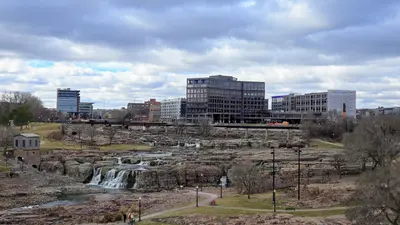
Sioux Falls’ enchanting mix of urban excitement and natural beauty.
The city’s cultural landscape offers an eclectic mix of arts, history, and recreation. The ‘Culture of Sioux Falls’ is categorized into eight pages on Wikipedia, each detailing significant landmarks, events, and institutions that serve as a testament to the city’s vibrant community life.
With a strong emphasis on community engagement, Sioux Falls frequently hosts events that celebrate its rich heritage and its aspirations for the future. Whether it’s the monthly art walks downtown or the annual JazzFest, residents and visitors alike partake in the festivities, contributing to a thriving cultural scene.
The Sporting Spirit of South Dakota
Across the state, sports play an integral role in uniting communities. The ‘Sports in South Dakota by populated place’ category highlights this aspect, containing four subcategories that delve into the sporting phenomena present in various towns.
Sports, ranging from high school basketball games to statewide wrestling tournaments, are not just pastimes but communal gatherings that bring people together, fostering a sense of identity and pride. South Dakotans’ passion for sports is deeply ingrained, reflecting the relentless spirit of a community that values teamwork and perseverance.
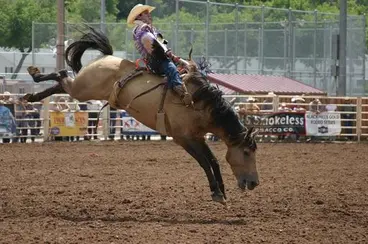
Rodeos showcase South Dakota’s cultural vigor and historical traditions.
Moreover, the state is home to events such as the Sioux Falls Marathon and the acclaimed Black Hills Stock Show & Rodeo. These events not only serve as athletic contests but also as cultural celebrations where the fusion of tradition and modern-day enthusiasm is vividly displayed.
Rodeos and Fairs: Tradition Meets Today
In South Dakota, rodeos aren’t just sports events; they’re cultural festivals. The state’s proud tradition of ranching and farming is on full display during these high-energy events. Communities gather to celebrate and showcase their agricultural practices, while also enjoying the thrill of the rodeo circuit. Events such as the Days of ’76 Rodeo in Deadwood capture the essence of the Wild West and offer visitors a nostalgic journey through history.
A Digital Encyclopedia: Wikipedia’s Role
The digital age has not left South Dakota behind. In fact, it has taken a front-seat role in preserving and broadcasting its cultural and communal efforts. Categories like ‘Culture of South Dakota by city’ on Wikipedia illustrate the comprehensive cataloging of the state’s cultural dynamics. These categories are carefully curated to serve as containers, ensuring that each subcategory focuses on a particular aspect of South Dakota life.
Through these digital archives, researchers, residents, and tourists alike gain valuable insights into the living history and lifestyle that define this Great Plains state. Each page is an invitation to learn more about the people, the land, and the stories that shape their collective identity.
Mount Rushmore: A Symbol of National Pride
No discussion about South Dakota’s cultural significance would be complete without mentioning the iconic Mount Rushmore. This monumental sculpture stands not only as a marvel of artistry but as a reflection of American ideals. Each year, millions flock to soak in its grandeur, reaffirming its place as a symbolic representation of democracy and freedom.
Conclusion: Embracing the Legacy
South Dakota, with its dynamic blend of natural beauty, historical significance, and cultural richness, remains a testament to the resilience and creativity of its people. By embracing both its athletic pursuits and cultural narratives, the state continues to cultivate a community that is proud of its past while eagerly looking towards the future.
As we continue to explore South Dakota’s contributions, it becomes evident that each aspect—be it sports, culture, or historical landmarks—cements the state’s legacy as a vital thread in the national tapestry. Visitors and residents alike are invited to partake in this journey, discovering a heritage as robust and varied as the South Dakota landscape itself.