
South Dakota stands as a key player in the history and infrastructure of America’s water resources, particularly when it comes to the monumental dams across the nation. Among them, Oahe Dam and Fort Randall Dam are crucial to understanding the state’s relationship with water power and management.
Oahe Dam: A Marvel of Modern Engineering
Constructed between 1948 and 1962, the mighty Oahe Dam rises 245 feet above the Missouri River, just north of Pierre, South Dakota. The dam was dedicated by President John F. Kennedy in 1962, marking a new era for the region. Oahe Dam impounds Lake Oahe, with a storage capacity of approximately 22,983,000 acre-feet, making it one of the largest reservoirs in the United States.
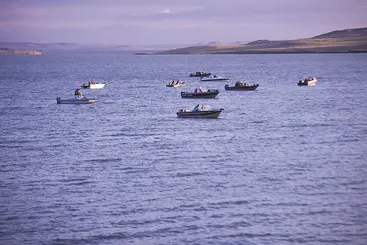
Lake Oahe
Lake Oahe stretches approximately 231 miles upstream into North Dakota and boasts an astonishing 2,250 miles of shoreline. This water body not only supports vibrant walleye and Chinook salmon fisheries, attracting anglers from across the northern Plains, but also represents a significant cultural and economic component of South Dakota.
The Local Impact: Communities and Recreation
The Oahe Downstream Recreation Area, situated below the dam, offers camping, hiking, and boating opportunities along the Missouri River, drawing outdoor enthusiasts from around the region. However, the creation of this formidable structure came with its challenges. The reservoir submerged large portions of the Standing Rock and Cheyenne River Sioux reservations, a history that remains pertinent in discussions about indigenous rights and environmental justice in South Dakota.
Fort Randall Dam: Strength and Sustainability
Further downstream, Fort Randall Dam stands on the Missouri River near Pickstown, South Dakota. Operating since 1953, this rolled-earth embankment dam is integral to the region’s water management, impounding Lake Francis Case, whose maximum storage capacity is approximately 5,293,000 acre-feet. Construction was part of the larger Pick-Sloan Missouri Basin Program aimed at flood control and water supply.
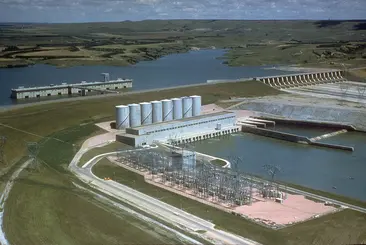
Fort Randall Dam
Lake Francis Case stretches over 107 miles along the Missouri River, providing extensive opportunities for boating, fishing, and recreational activities. Randall Creek Recreation Area, located just downstream, offers a boat ramp, a campground, and easy fishing access along the river, contributing to the local economy and tourism.
South Dakota’s Significance in the National Context
South Dakota’s dams are not merely infrastructures; they are lifelines that support diverse ecosystems, native communities, and recreational opportunities while playing a vital role in the state’s economy. The discussion of the ten largest American dams places the spotlight not only on vast quantities of water but also on the strategic significance of each dam in preserving resources and cultural heritage.
The Oahe and Fort Randall Dams are quintessential symbols of engineering prowess, representing both the accomplishments and the costs of America’s ambitious water management endeavors during the mid-20th century. As we continue to face challenges related to water scarcity and environmental impact, South Dakota’s efforts offer valuable lessons to the nation about balancing growth with sustainable practices.
Conclusion: A Future of Conservation and Collaboration
South Dakota’s dams are integral cogs in the wheel of water conservation and energy generation, serving as critical reminders of the power and responsibility humans hold in shaping natural landscapes. As we move forward, it is imperative that we foster sustainable practices, engage native communities, and champion conservation efforts to protect these invaluable resources for future generations.