
In South Dakota, known for its sweeping prairies and vibrant communities, recent weather patterns have brought both relief and continued concern. Although the drought conditions have shown signs of improvement, the sustainability of these gains is uncertain. Let’s delve into the current state of South Dakota, focusing on its counties, critical climate shifts, and what these changes mean for the dedicated South Dakotans who call this state home.
The U.S. Drought Monitor report for South Dakota, while exhibiting a positive turn, underscores a complex reality. Reports are continuously updated, with data collected days prior to the official release on Thursday mornings. This timing can create a misleading picture when immediate precipitation changes go unregistered until the following week.
Northeastern South Dakota recently experienced a significant weather event. On Tuesday, July 7th, this region was doused with over five inches of rainfall within 24 hours in some locales. This natural boon drastically alleviated prolonged dry spells in areas such as Hamlin and Codington Counties. These counties, once parched, have seen their drought conditions completely erased by the downpour.
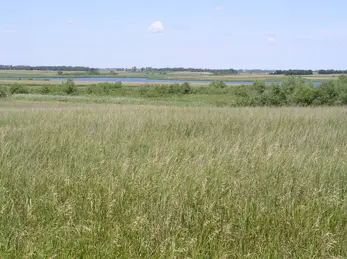
Hamlin County South Dakota
Despite these local successes, numerous counties remain in the grip of a drought. Davison, Hanson, Hutchinson, McCook, and Sanborn counties experienced no changes. In Davison County, known for the World’s Only Corn Palace, conditions remain starkly divided between moderate and severe drought, with equal parts of the county suffering under each classification. Hanson County, similarly affected, has roughly two-thirds of its area in severe drought and the rest in moderate drought.
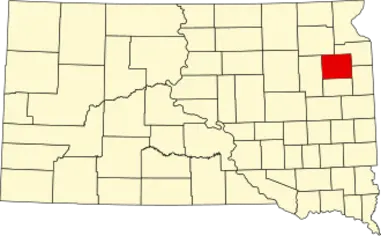
Codington County South Dakota
Moving southward, the severity intensifies near the Nebraska border. Bon Homme, Charles Mix, and Yankton Counties are shouldering an extreme drought, a scenario further exacerbated by the expected heat wave. Forecasts predict temperatures exceeding 100 degrees on both Friday and Sunday, promising to deepen the current crisis.
Local agricultural communities, who depend heavily on consistent weather patterns, are encountering serious challenges. In Davison County, where farming plays a vital role in the local economy, the drying soil threatens crop viability and, consequently, the livelihoods of many families. Residents recount their struggle to maintain pastures and secure water resources—a constant battle against nature’s caprices.
Yet, there is a glimmer of hope on the horizon. Meteorologists indicate a potential shift toward cooler, wetter conditions by mid-next week, which might extend through the month’s end. These predictions offer some solace to those anxiously watching the skies for rain, critical for replenishing depleted groundwater and supporting plant growth.
South Dakota’s diverse ecosystems, from the Black Hills to the eastern plains, have always demanded resilience and adaptability from its residents. This year is no different, as the community collectively rallies to support one another, pooling resources and sharing strategies to tackle the dual threats of drought and rising temperatures.

Davison County South Dakota
South Dakota’s commitment to overcoming these environmental obstacles is not just about weathering the storm—it’s also about securing a sustainable future for its people and preserving the heritage of its landscapes. As communities brace for the challenges ahead, they remain hopeful, drawing strength from their robust agricultural roots and a shared commitment to environmental stewardship.
For now, the state holds its breath, waiting for the cool relief that could mark a turning point in this ongoing narrative of climate and community resilience. South Dakota remains resolute, facing forward to the trials and opportunities tomorrow may bring.