
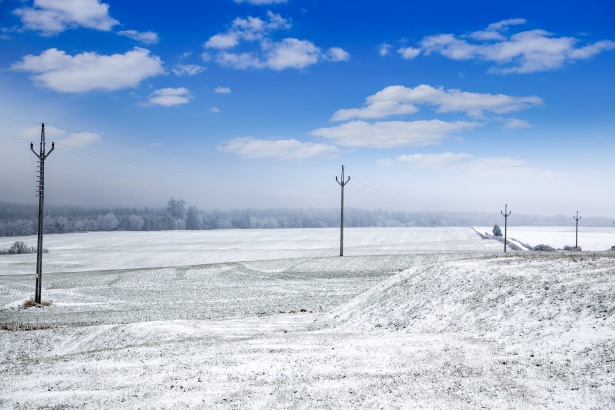
As the calendar flips to May in southeastern South Dakota, the condition of the winter wheat crop is causing concern among local farmers. Chet Edinger, a seasoned farmer in the region, reports that the health of his winter wheat, which appeared robust until recent weeks, has drastically declined following an unforeseen weather event.
The southeastern region of South Dakota, known for its vast agricultural lands and industrious farming communities, is currently grappling with the impact of an overnight freeze. At the end of April, temperatures plummeted to a stark 12 degrees Fahrenheit, marking one of the coldest recorded nights in the area during this time of year.
Edinger described this temperature drop as “a major concern for us right now.” He expressed his worry for the wheat crop, noting that “it looked sick all last week,” a sentiment felt by many farmers across the region.
The occurrence has been attributed to the volatile spring weather patterns that occasionally affect the Northern Plains. While winter wheat is typically resilient, the sudden freeze has stressed the plants to a point where recovery is now uncertain.
South Dakota, an integral part of the United States’ breadbasket, relies heavily on agriculture. It’s not just a business but a way of life for many. The unpredictable climate can greatly affect the livelihood of its residents, making weather monitoring and crop management paramount.
Understanding Winter Wheat’s Role in South Dakota
Winter wheat is planted in the fall, lying dormant through winter and maturing by early summer. It is one of the primary crops in South Dakota, contributing significantly to the state’s economy and the livelihoods of countless farmers.
- Key Benefits: Provides soil erosion protection during winter months.
- Economic Impact: Influences market prices and supply for the state.
- Environmental Role: Enhances soil health and acts as a cover crop.
The abrupt temperature drop challenges not only the viability of the crops but also underlines the importance of adaptive farming techniques and robust risk management strategies.

South Dakota agriculture.
The Wider Impact on South Dakota’s Agriculture
Agriculture deeply influences South Dakota’s economy, culture, and landscape, providing stability and wealth through its diverse offerings including corn, soybeans, and now, the increasingly vulnerable winter wheat.
This late-April freeze has forced farmers to reconsider their strategies. With modern technologies and predictive data tools, farmers like Edinger are now able to prepare better for such unforeseen weather shifts, although the surprises can never be fully anticipated.
Future Prospects and Community Response
Moving forward, the focus will be on recovery and learning from the incident. Programs supporting farmers in crisis are vital and represent a lifeline for those wanting to sustain their crops and livelihoods in unpredictable times.
For a state with such a rich agricultural fabric, the resilience and ingenuity of its people are its greatest assets. As South Dakota farmers navigate these uncertain waters, their voices and experiences will continue to shape agricultural narratives across the nation.