
In a rapidly evolving technological landscape, the city of Sioux Falls, South Dakota, is making strides to address the public’s growing concerns over privacy and surveillance. The city leaders are currently drafting an executive order aimed at regulating the use of automatic license plate readers (ALPRs), often dubbed ‘Flock’ cameras after a popular brand. This initiative comes amid ongoing public discourse on the balance between security and privacy rights.
Sioux Falls Police Chief Jon Thum has been at the forefront of this conversation. Speaking at the city’s semi-annual public safety briefing, he addressed the contentious issue of Fourth Amendment rights linked to the ALPRs. “I think there’s this idea that this is some sort of rogue initiative that exists outside of the confines of what the courts have defined as legal, lawful, and legitimate under Constitutional law,” Chief Thum asserted. “The reality is that the system was built under the confines of Constitutional law.”
Despite assurances, there’s an acknowledgment that the legal landscape could shift. Chief Thum noted that any future ruling by the U.S. Supreme Court might affect the current operations. However, he stressed that the technology isn’t novel, having been in use across the U.S. for years, especially for infrastructure like toll roads and similar state-level applications.

Jon Thum
These cameras have already demonstrated tangible results. Crime reports from the Sioux Falls Police Department highlight a substantial 38% decrease in incidents of stolen vehicles. Moreover, these improvements in city safety are attributed to successful arrests in high-profile cases, such as the McKenna Wendel case. “The reality is we are arresting people in stolen vehicles that are occupied, interrupting the pattern of criminal behavior, and producing a safer Sioux Falls by implementation of this technology the right way,” Chief Thum emphasized.
The use of ALPR technology in Sioux Falls is designed with strict limitations. The data collected remain the property of the Sioux Falls Police Department and is neither sold to third parties nor used for unauthorized purposes like immigration enforcement, harassment, or personal objectives. Thus far, no incidents of misuse have been reported within South Dakota, affirming the strict procedural guidelines adhered to by the police department.
Minnehaha County Sheriff Mike Milstead has paralleled the function of ALPRs to routine proactive policing. According to Sheriff Milstead, these systems function no differently than how an officer would check license plates from a patrol car stationed by the roadside, explaining it doesn’t infringe upon Fourth Amendment rights more than any of those traditional methods.

Mike Milstead
Furthering transparency, Sioux Falls Mayor Christine Erickson has made it her priority to engage with the community openly regarding the use of ALPRs. Mayor Erickson assured constituents that, “As we’ve started to get some feedback into maybe some misinformation about what [APLR] does, we felt it was important to work together to have those guard rails early on and give the public just the ability to understand that this is now an Executive Order.” This Executive Order is part of a broader push to reinforce public confidence and adapt as necessary to future developments in legal guidance, particularly with the involvement of both current and incoming Attorney Generals in legislative planning.
Attorney General Marty Jackley is proactively working to construct clear legislature surrounding the use of this technology. His upcoming proposals will be passed onto incoming Attorney General Lance Russell, ensuring that rigorous safeguards are in place during the next legislative session. This legislative foresight reflects South Dakota’s commitment to aligning security measures with civil liberties.
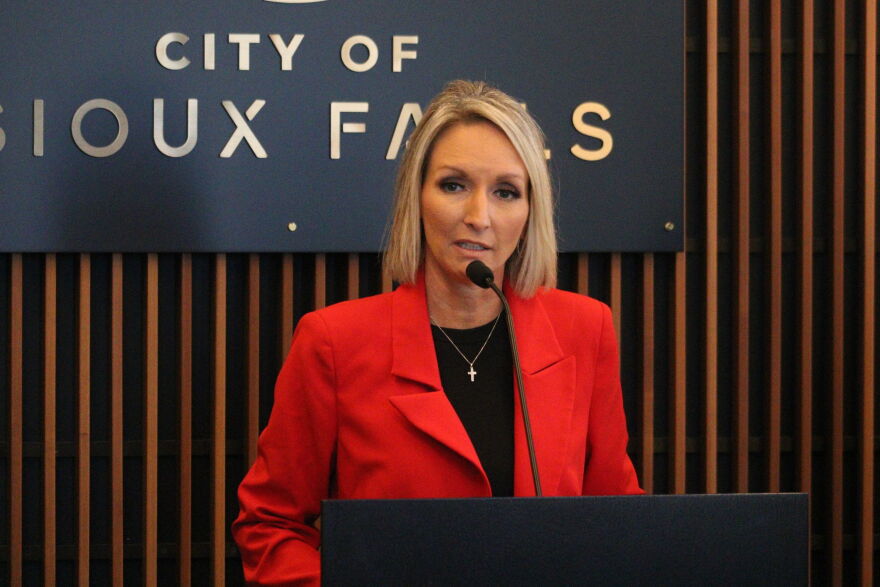
Christine Erickson
As Sioux Falls navigates the crossroads of technological advancement and constitutional rights, the city’s methodical approach serves as a model for balancing effective law enforcement with public liberties. The community’s proactive stance on regulatory measures for ALPRs underscores their commitment to ensuring that security initiatives do not compromise South Dakotans’ rights.
The state’s ongoing engagement demonstrates a conscientious effort to uphold both safety and privacy, embodying what it means to be proactive in a modern democratic society. As Sioux Falls continues forward, the city’s commitment to transparency and regulatory oversight reflects the broader values of South Dakota.