
Political Rematches and the Weight of History: South Dakota’s Upcoming GOP Primaries
PIERRE, S.D. – As South Dakota’s Republican primary elections approach on June 2, many voters may find themselves experiencing déjà vu at the ballot box. The state’s political landscape is dotted with rematches from the 2024 elections, particularly in several state Senate districts where property rights debates have dominated conversations.

Alexander Rifaat
This year’s rematches feature several familiar faces as former incumbents attempt to reclaim their lost seats. At the heart of these contests is the polarizing Senate Bill 201 (SB 201), which in 2024 stirred significant controversy due to its implications on property rights. The bill allowed South Dakota’s Public Utilities Commission to override county ordinances labeled as “unreasonably restrictive,” leading to its eventual repeal by Referred Law 21 (RL 21) with 59% voter disapproval.
In District 18, encompassing Yankton, incumbent state Sen. Lauren Nelson faces off once more against former state Sen. Jean Hunhoff. Nelson attributes her previous victory to Hunhoff’s support of SB 201. “When I talk to people, it goes back to two years ago and SB 201,” Nelson told News Watch. “People still have that in the back of their heads.”
Mykala Voita
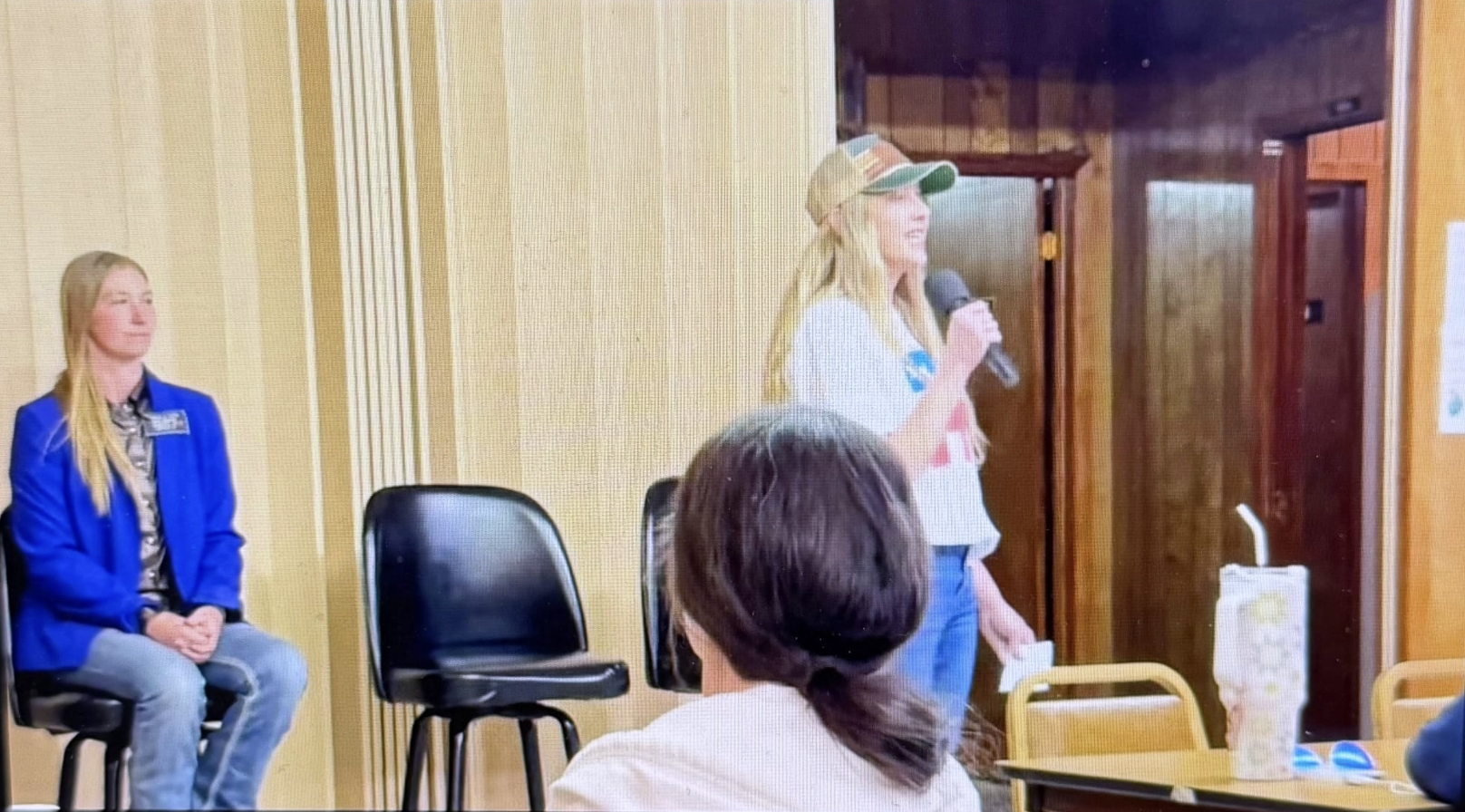
District 21 reflects a similar narrative where state Sen. Mykala Voita defends her seat against Erin Tobin, the contender she narrowly defeated by 48 votes in the 2024 primary. Voita’s campaign continues to highlight SB 201’s legacy, asserting, “I absolutely think it’s relevant (SB 201). When they played that hand with that bill, they showed where their loyalties lied.”
Beyond the Senate races, South Dakota’s gubernatorial contest is also influencing electoral dynamics. U.S. House Rep. Dusty Johnson, State House Speaker Jon Hansen, Gov. Larry Rhoden, and Aberdeen businessman Toby Doeden are vying for the governorship. The support each gubernatorial candidate receives has cascading effects on the state Senate races.
Katie Washnok in District 3 is aligning with Dusty Johnson in hopes of boosting voter turnout that scorned her candidacy two years ago. “This cycle will be better because of the voter turnout. I think voters will be more engaged,” Washnok said.
In opposition, Carl Perry, her competitor and current state Senator in District 3, is advocating for “anybody but Dusty” without settling on another candidate to endorse. Perry’s hesitancy contrasts sharply with Washnok, potentially affecting voter sentiment and turnout.
Jon Hansen garners increasing support, reflecting a grassroots rally among certain state Senate hopefuls, including Nelson and Voita. Hansen’s backing could yield momentum, as political analyst Michael Card notes, “Hansen has the best chance to challenge Johnson, but it remains to be seen whether he can carry the momentum and take those state Senate candidates supporting him along the way to victory.”
Also affecting voter sentiment is Senate Bill 96, which offers counties the option of imposing a half-cent sales tax in exchange for lower property taxes. Nearly half of the poll’s respondents disapprove of this measure, according to a survey by South Dakota News Watch and the Chiesman Center for Democracy.
Away from the rematches, other notable races include District 2’s contest between House Reps. David Kull and John Sjaarda and the District 11 race where Senate President Pro Tempore Chris Karr faces attorney Graham Oey. These races underscore the intricate political ballet playing out across South Dakota, where values of local control and economic interest repeatedly clash.
In District 26, representing the Rosebud Indian Reservation, the Democrats also have a competitive primary. Former state Sen. Shawn Bordeaux’s bid for a comeback against Troy Lunderman might invigorate the party, according to Democratic state Sen. Erik Muckey.
As voters gear up for the primaries, these developments emphasize a critical period in South Dakota politics, where historical decisions like SB 201 continue to resonate and realign party lines. With engagement expected to rise on June 2, the state not only revisits its past but charts a course that will determine its political and legislative future.
For more information or to reach out, contact politics and statehouse reporter Alexander Rifaat or visit South Dakota News Watch.