
League of Women Voters Challenges South Dakota’s Voter Registration Law: A Comprehensive Overview
In a landmark development for voting rights in South Dakota, the League of Women Voters of South Dakota (LWVSD) and an individual voter have taken legal action against the state’s Secretary of State and its Board of Elections. The lawsuit, filed on August 24, 2026, challenges the implementation of a controversial documentary proof of citizenship law intended to tighten voter registration processes in the state. The case, formally titled ‘League of Women Voters of South Dakota v. Johnson,’ is currently being heard in the District Court.
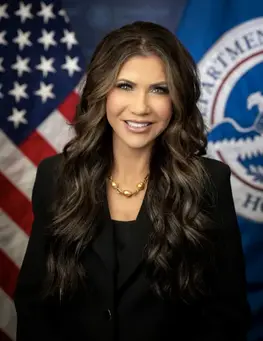
South Dakota Secretary of State
This law is facing scrutiny for allegedly conflicting with federal voting legislation, raising concerns about its potential impact on voter accessibility and participation. The plaintiffs argue that this regulatory approach may infringe on federally protected voting rights, particularly affecting marginalized groups such as low-income communities and Native American voters, who have historically faced challenges relating to documentation.
South Dakota, often known for its vast landscapes and rich cultural heritage, including landmarks like Mount Rushmore and the Black Hills, plays a unique role in America’s electoral narrative. The state, which values its small-town charm and community-oriented ethos, also finds itself at a crossroads of integrating traditional values with modern democratic principles. This lawsuit underscores that ongoing tension, spotlighting the citizens’ voices in defending their inherent right to vote without undue burden.
The League of Women Voters of South Dakota has been a steadfast defender of voter rights since its inception. They, along with other civic organizations, have long advocated for laws that enhance, rather than hinder, voter participation. In this legal venture, the League aims to ensure that the administration of voter registration in South Dakota remains in compliance with federal mandates that protect voters against disenfranchisement.
John Johnson, a figure central to this case as the South Dakota Secretary of State, is tasked with overseeing the election processes within the state. His role is now under the microscope as the case proceeds, and the outcome may well set a precedent for how voter registration laws are enacted and challenged in the context of federal requirements.

League of Women Voters of South Dakota
- Key Points of the Lawsuit:
- The complaint targets South Dakota’s recent enactment of a documentary proof of citizenship law.
- The law’s implementation is argued to conflict with existing federal voting laws.
- The lawsuit aims to ensure voter accessibility without unnecessary restrictions.
South Dakotans, known for their resilience and a strong sense of identity rooted in history and tradition, are watching this legal battle closely. The decision reached in this case could have far-reaching implications not just for the state, but also for nationwide efforts to balance election security with inclusive voter participation.
The full complaint and documentation of this case are available for public viewing and can be downloaded from the Campaign Legal Center’s website. As the lawsuit progresses, South Dakota remains at the forefront of a broader national conversation about electoral integrity, access, and citizens’ rights.
The state is often cited for its close-knit communities that take pride in self-governance and active civic engagement. This ethos may well play a crucial role in shaping responses to changes in voting laws, further emphasizing the importance of legal frameworks that facilitate, rather than obstruct, civic participation.
This case stands as a testament to the ongoing struggle to ensure fair and equitable access to the polls, a fundamental aspect of democracy that South Dakotans cherish deeply. As the case unfolds, it will undoubtedly capture the attention of voters, policymakers, and legal experts across the country, potentially influencing future policy decisions within and beyond South Dakota’s borders.