
Changing Winds of Voting Laws in South Dakota: What’s Next?
As the 2026 midterm elections draw near, South Dakota emerges as a focal point in the nationwide discourse on voting legislation. With more than half of the U.S. states concluding their legislative sessions, a shift in election laws is evident. Among the states, South Dakota’s recent enactment of voter registration requirements is sparking debates, reflecting broader national trends.
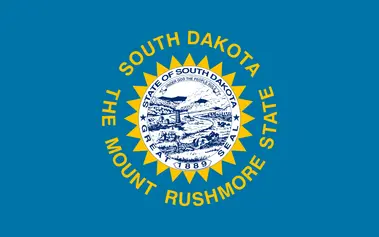
South Dakota
Since January 2026, at least nine states have passed 12 restrictive voting laws. Notably, South Dakota and Utah now mandate all citizens to present documents like a passport or a birth certificate for voter registration—a requirement expected to be in full effect during the November elections. Meanwhile, Florida, Kentucky, and Mississippi have similar requirements but apply them selectively to certain voters.
A Closer Look at South Dakota’s New Voting Laws
South Dakota’s adoption of new voter registration requirements is part of a broader legislative wave. Lawmakers from at least 41 states weighed 302 restrictive voting bills this year. The enactment is a key development, considering that South Dakota is known for its civic-minded community deeply invested in its political processes.
Home to tribal areas, vibrant farming communities, and a rapidly growing economic sector, South Dakota is uniquely poised in the national landscape. The state’s decision to enforce stricter voter registration rules has drawn mixed reactions from its residents, who value both electoral integrity and accessibility.
Community Response and Implications
For many South Dakotans, the new law raises concerns about accessibility. Critics argue that these measures could disenfranchise vulnerable groups, including Native American communities, rural populations, and low-income individuals. Proponents, however, believe these steps are essential to safeguard electoral integrity.
Local organizations and activists are galvanizing efforts to ensure that potential voters are educated about these new requirements. Workshops and informational campaigns aimed at helping citizens understand and comply with the new laws are gaining momentum.
South Dakota in the National Context
South Dakota’s policy adjustments are in line with a trend observed post-2020 election. The state, like Arizona, Arkansas, Idaho, Indiana, Kansas, Louisiana, Montana, Texas, and Wyoming, is part of a core group that has enacted multiple voting restrictions since 2021.
On the expansive side, at least six states have passed 16 laws aimed at making voting more accessible, with 14 ready for November implementation. Virginia leads this movement, having submitted six expansive policies for approval.
Election Security and Legislative Outlook
At least seven states, including South Dakota, have implemented laws to fortify election security. These measures aim to protect the electoral process from outside interference. They include enhancing ballot security, managing postelection audits, and clarifying regulations regarding misinformation.
The debate over federal efforts to access unredacted voter data continues to stir. Compliance from officials in 15 states has sparked concerns about voter privacy and potential data misuse. In response, various states are enacting barriers to prevent unnecessary data sharing and to maintain electoral autonomy.
The Road Ahead for South Dakota and the Nation
With ongoing legal challenges, notably against President Trump’s executive order involving the U.S. Postal Service in mail voting, South Dakota stands at a crucial crossroad. Voting rights groups vigorously oppose policies perceived as undermining voter participation’s core tenets, highlighting the delicate balance between security and accessibility.
As the nation heads into the midterms, South Dakota’s path may serve as a blueprint or a cautionary tale for others navigating the intricate web of electoral laws. The upcoming election cycle stands as a pivotal moment for assessing these legislative efforts’ impact on American democracy.