
Transforming a Century-Old Barn: South Dakota’s Innovative Approach to Agricultural Mental Health
MOUNT VERNON, S.D. — Amid the rolling plains and thriving agricultural community near Mount Vernon, a unique mental health facility is under transformation. Colleen Stegenga, a licensed clinical social worker and therapist, is breathing new life into a century-old barn to address a pressing issue in South Dakota: the mental well-being of its farmers and ranchers.
Growing up on a cattle farm in Mount Vernon, Stegenga witnessed firsthand the challenges faced by farmers. Her family’s health crisis three years ago was a turning point, drawing her back to agriculture and inspiring her to become a mental health advocate for those who feed and fuel America.
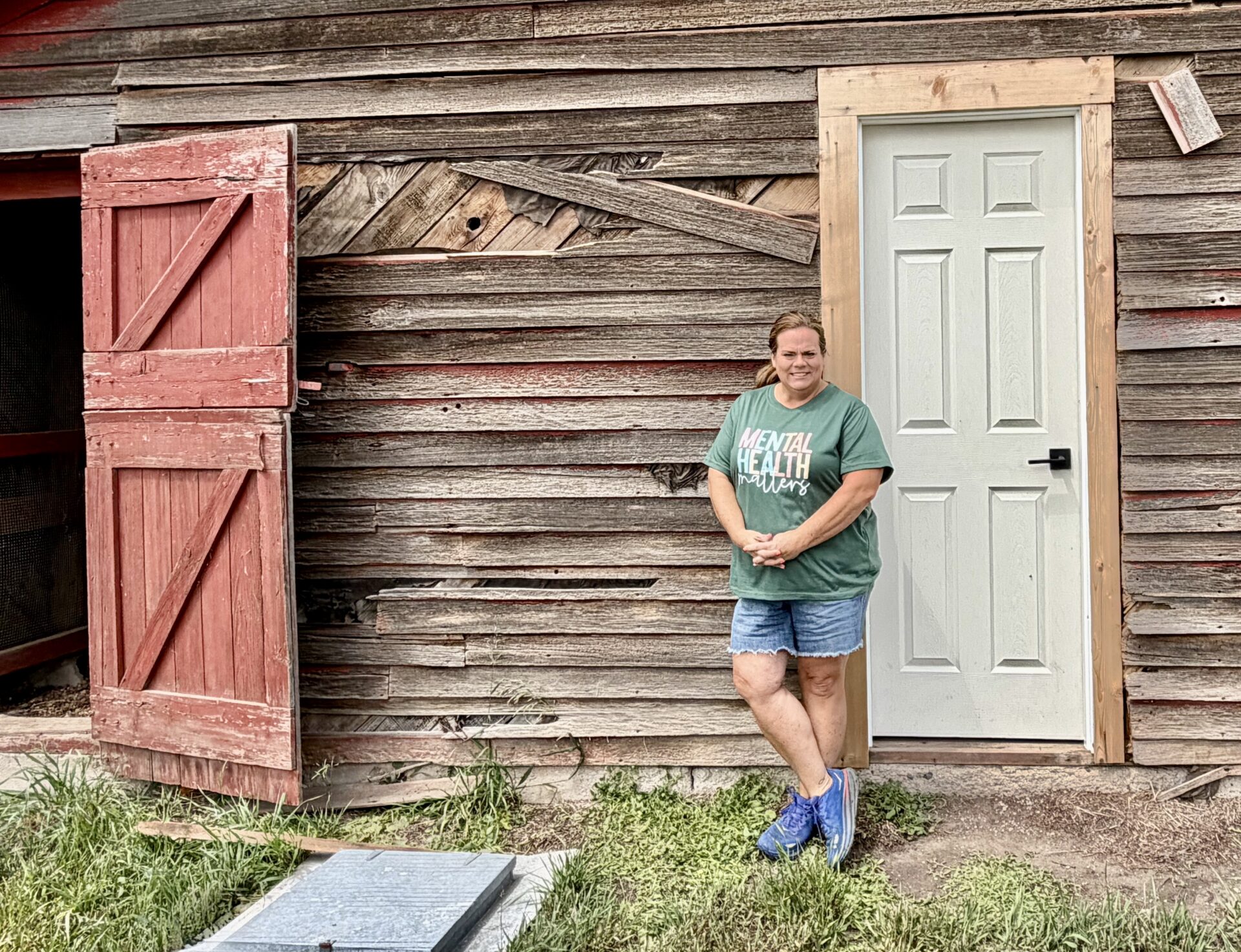
Colleen Stegenga
South Dakota, known for its vast farmlands and strong agricultural roots, faces a growing mental health challenge. Farmers often endure tremendous stress due to unpredictable weather, market fluctuations, and relentless workloads. Coupled with a shortage of mental health care providers in the region, farmers often struggle to find the support they need.
Turning a Vision into Reality
Stegenga’s vision for a mental health clinic housed in a 100-year-old barn is groundbreaking. This facility will incorporate therapy animals such as horses, mini highland cows, and Babydoll sheep, offering a unique therapeutic approach that integrates the healing power of animals.
“Farmers have a lot to juggle,” Stegenga said. “The constant financial stresses, the never-ending workload — it can be overwhelming. That’s why this facility is so important. We need to provide a space that respects and understands their lifestyle.”
Barriers to Mental Health in Agricultural Communities
Karl Oehlke, a physician assistant on the Avera Behavioral Health team, sheds light on the stigma surrounding mental health in agricultural communities. Many farmers and Midwesterners are reluctant to seek help due to cultural pressures to remain self-sufficient.
Karl Oehlke
“People tell me, ‘How do I keep going? I’m not sleeping, the bank is telling me I have to come up with more collateral, and I don’t know what I’m going to do,’” Stegenga said, echoing the sentiments of many in the agricultural sector.
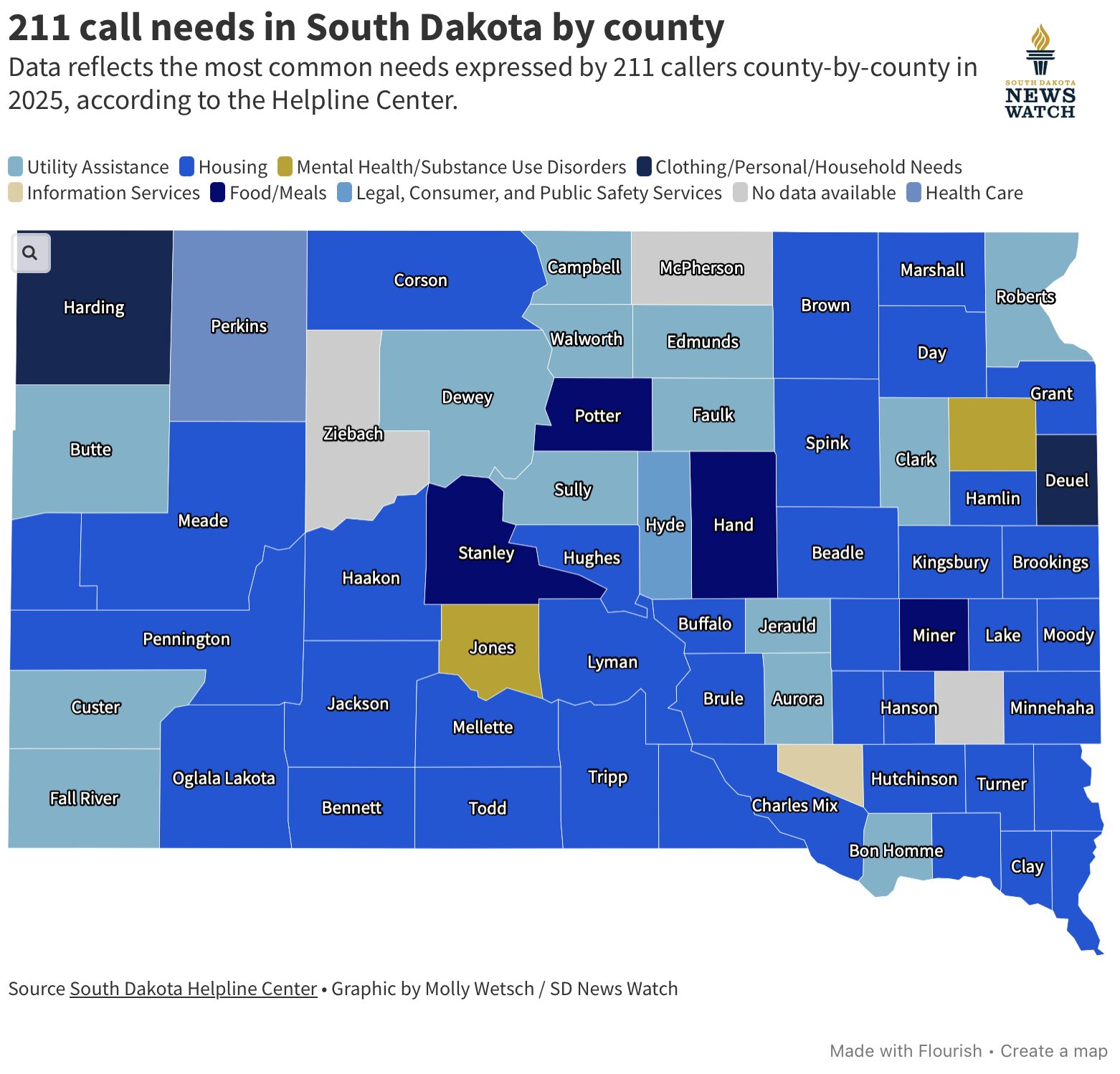
Moreover, South Dakota’s mental health care provider shortage exacerbates the problem. With only four counties not facing a geographic shortage, virtual mental health services have become indispensable.
Virtual Solutions for a Widespread Issue
Virtual mental health services are bridging the gap for many in South Dakota’s rural areas. Telehealth platforms have proven effective in offering immediate, accessible support, saving patients time and travel costs. In 2025 alone, Sanford Health’s virtual services saved patients an estimated $41 million.
David Newman
Dr. David Newman, chief medical officer of virtual care at Sanford Health, highlights the success of their telehealth services. “When we first started, we thought broadband access was going to be a problem. To our surprise, 99% of our patients have access to a telephone or broadband connection,” Newman explained.
Opening Doors to Supportive Resources
Beyond telehealth, hotlines such as 988 and the Farm and Rural Stress Hotline offer immediate support. Agrarian community members are encouraged to seek help before reaching a crisis point.
“It’s crucial to let people know they’re not alone and that help is available — whether it’s through telehealth services, a quick call, or accessing crisis services,” said Jordan Mounga, program manager for Suicide Prevention & Crisis Services at the South Dakota Department of Social Services.
Through innovative solutions and dedicated advocates like Stegenga, South Dakota stands at the forefront of addressing mental health challenges in agricultural communities. This initiative not only preserves the state’s vibrant farming culture but also empowers those who sustain it.