
South Dakota, a state renowned for its diverse landscapes and rich cultural heritage, has witnessed a seismic shift in its tourism dynamics. For the third consecutive year, the Southeast region, which includes bustling cities like Sioux Falls, Yankton, and Mitchell, has outpaced the iconic Black Hills and Badlands in generating tourism revenue. This astonishing transformation underscores the Southeast’s burgeoning appeal as a prime destination for travelers seeking a rich blend of culture, events, and modern attractions.
The South Dakota Department of Tourism’s latest report for 2024 reveals that the Southeast region registered $2 billion in tourism revenue, eclipsing the $1.9 billion from the storied Black Hills and Badlands. This trend of Southeast dominance has persisted since 2022, demonstrating a consistent preference among tourists for the vibrant and versatile offerings of the area.
South Dakota strategically divides its tourism landscape into four distinct regions: Black Hills and Badlands, Missouri River, Glacial Lakes and Prairies, and Southeast. Despite the traditional allure of the western hills and the Missouri River’s majestic course, it is the Southeast that has tapped into its potential by embracing urban-centric tourism, an aspect highlighted by Michael Klinski, a freelance reporter who can be contacted at michael.klinski@sdnewswatch.org.
The Southeast’s ascension in the tourism sector can be attributed to a variety of factors. It thrives on weekend excursions, retail therapy, culinary delights, and a calendar filled with exciting events and shows. Sioux Falls, often the gateway to South Dakota, offers travelers an array of attractions, from the picturesque Falls Park to its burgeoning arts scene, which collectively attract both young and mature audiences looking for an enriching experience.
The Glacial Lakes and Prairies region, ranking third in visitor spending for 2024, and the Missouri River region, in fourth, are part of this dynamic shift, though they focus on different strengths. Notably, the tourism data for 2025 has yet to be unveiled, but if current trends continue, the Southeast is poised to further bolster its reputation as a tourism juggernaut.
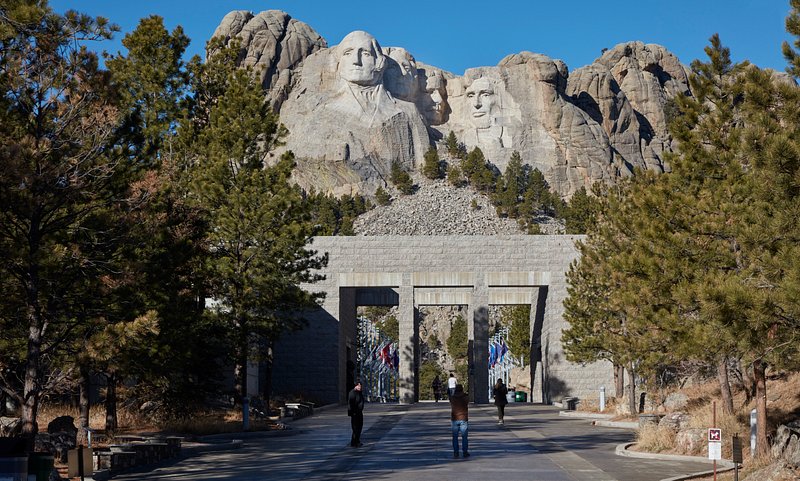
The Black Hills, with their iconic landscapes and historical landmarks like Mount Rushmore and Crazy Horse Memorial, still captivate outdoor enthusiasts and history buffs alike. However, the Southeast’s ability to cater to a different audience desiring a mix of modernity and culture positions it uniquely in South Dakota’s tourism hierarchy. This information provides insightful responses to ongoing discussions about why Sioux Falls attracts considerable tourism, embodying the heart of the Southeast’s rise.
Behind the numbers lies a community eager to share its warmth and hospitality. With economic benefits flowing into local businesses, from boutique hotels and artisanal shops to gourmet dining establishments, the impact of this tourism boon is tangibly felt across the Southeast region. Stakeholders in the state’s tourism industry are optimistic, viewing this growth as both a testament to strategic planning and an invitation to further innovate the tourist experience in South Dakota.
For those interested in exploring the dynamic tourism landscape of South Dakota and its Southeast region, more stories and updates can be found via South Dakota News Watch, an independent, nonprofit news organization, at sdnewswatch.org. This organization, in partnership with Gigafact, remains committed to providing accurate information and insights into the state’s multifaceted tourism sector.