
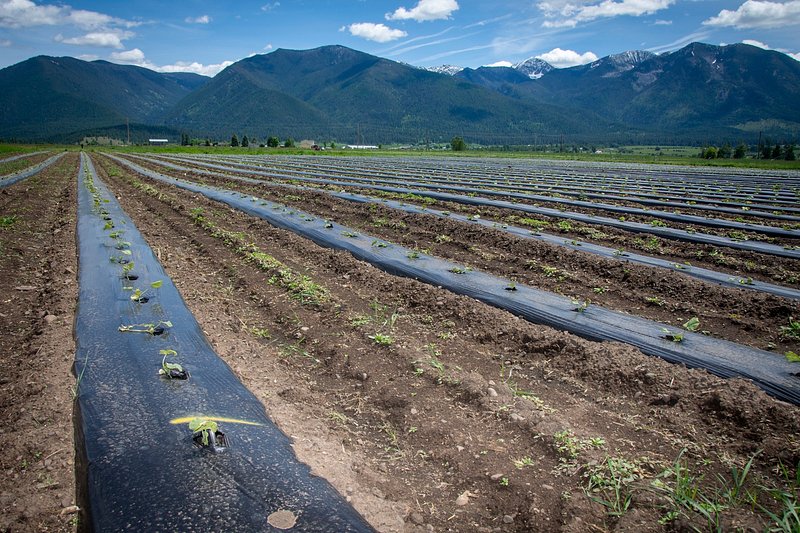
South Dakota’s burgeoning hemp industry is poised to benefit from groundbreaking research illustrating how soil management practices can significantly alter cannabinoid levels, thereby keeping crops within legal parameters. According to a federally funded study published in the Journal of Medicinally Active Plants, the type of soil hemp is cultivated in can increase THC concentrations by up to six times.
The study, funded by the USDA’s National Institute of Food and Agriculture, alongside Penn State College of Medicine and Pennsylvania medical cannabis company PA Options for Wellness, analyzed the impact of soil management on hemp grown in neighboring Pennsylvania fields. As South Dakota farmers look to expand their hemp operations, these findings provide critical insights into maintaining compliant THC levels while maximizing CBD production.

A person holding a white flower during sunset
South Dakota, known for its vast agricultural landscapes and rich soil quality, finds itself in an opportune position to leverage its existing agricultural expertise in hemp farming. The state’s farmers are already well-versed in practices such as conventional tillage and no-till farming, both of which play pivotal roles according to the study’s results.
In the research, hemp growth was analyzed in two contexts: conventionally tilled soil and cover crop fields, revealing that conventional tillage often results in high THC levels. This is a crucial insight given that exceeding the 0.3 percent THC limit mandates the destruction of the crop, a fate many South Dakota farmers are keen to avoid.
“Poor soil quality appears to result in higher levels of THC production, whereas higher soil quality may result in higher levels of the precursor cannabinoid, CBG,” researchers wrote in the journal paper. The study took into account two hemp cultivars — Tangerine and CBD Stem Cell — revealing that their response to soil conditions varied, impacting cannabinoid concentration.
For South Dakota’s agricultural community, harnessing these insights could improve crop yield and quality. With an eye on sustainability, integrating cover crops into hemp production could boost cannabigerol (CBG) levels, known for its therapeutic applications, which the study showed to be 3.7 times higher in plants grown with such methods.

South Dakota hemp farmers at work
The implications for South Dakota’s economy are significant. Hemp could become a cornerstone of the state’s agricultural diversity, offering farmers an alternative or complement to traditional crops. The ability to manage cannabinoid profiles through soil expertise not only helps farmers comply with legal statutes but also enhances the profitability of their crops.
The interplay of agricultural practices and cannabinoid levels underscores a broader narrative about sustainable farming practices and technological innovation in agriculture. For the people of South Dakota, who have long been stewards of the land, this research provides a roadmap to harnessing hemp’s full potential while maintaining ecological integrity.
As part of a larger conversation about the future of agriculture in South Dakota, this study may catalyze further research and development in the hemp sector, potentially drawing interest from investors and regulators alike. With hemp’s capacity for carbon sequestration, it might also play a role in environmental strategies aimed at mitigating climate change impacts.
This federally backed research marks the first instance of documented differences in hemp cannabinoid composition based on soil conditions, a pioneering revelation for South Dakota farmers eager to refine their practices strategically. As the state explores ways to expand and diversify its agricultural output, hemp emerges as a promising candidate for innovation and growth.
The findings from Pennsylvania offer a promising outlook for South Dakota’s hemp cultivation landscape, showcasing a path where agriculture meets innovation, leading to sustainable and profitable farming practices that could position South Dakota as a leader in hemp production.