
In recent news capturing national and international attention, the capture of Venezuelan leader Nicolás Maduro on January 3, 2026, has sparked a spectrum of responses from South Dakota’s political figures. This significant event has implications not only globally but also locally within states like South Dakota, where political stances and public opinion are shaped by such landmark occurrences.
Venezuelan leader Nicolás Maduro and his wife, Cilia Adela Flores de Maduro, were captured by United States military forces in a meticulously planned surprise attack. This operation resulted in Maduro’s swift relocation to New York, where he faces a four-count indictment related to a long-standing narco-terrorism conspiracy. Set to appear in federal court on January 5, 2026, the charges against Maduro highlight his alleged involvement in trafficking massive quantities of cocaine to the U.S. over decades.
South Dakota’s Political Reaction
Upon news of Maduro’s capture, South Dakota’s congressional delegation expressed unified approval for the operation, emphasizing the importance of this development in the broader context of national and border security.
Senate Majority Leader John Thune released a statement praising the operation and its role in dismantling drug cartels linked to Maduro. He emphasized, “Maduro, the cartel he leads, and other cartels in Latin America have trafficked drugs into the United States, which have killed hundreds of thousands of Americans.” 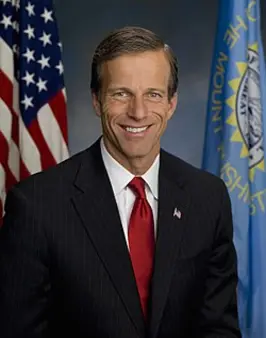 He continued, “President Trump’s decisive action is an important first step to bring Maduro to justice.” Thune further mentioned his discussions with Secretary of State Marco Rubio, expressing a desire for comprehensive updates on future strategies.
Senator Mike Rounds, who is facing an election year, described Maduro as an “illegitimate leader and an indicted narcoterrorist.” He stated, “His support of the cartels in Venezuela killed thousands of Americans over several years. President Trump and his team have taken decisive action to bring him to justice. This will make our communities safer and further secure our border from the flow of illegal drugs.”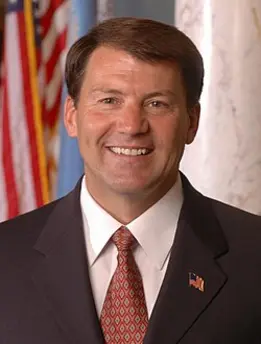
Representative Dusty Johnson also voiced his support, praising the effectiveness of the U.S. Armed Forces and federal law enforcement agencies. He called Maduro “an illegitimate leader arrested for facilitating the trafficking of deadly drugs.” Johnson expressed eagerness to learn more about the administration’s next steps in addressing the situation in Venezuela and tackling drug inflow into the country.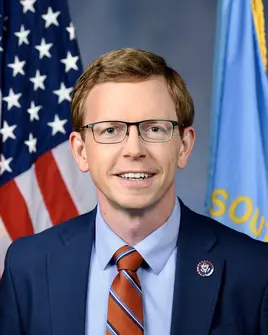
South Dakota Governor Larry Rhoden commended the operation in his official Facebook post, highlighting the effectiveness of President Trump’s leadership. “Oftentimes, the best work is done quietly, behind the scenes and the effort becomes obvious only after the result has been achieved,” he commented, attributing the Venezuelan operation’s success to strategic leadership.
A Divided Public Opinion in South Dakota
While political leaders largely lauded the capture, the reaction among the citizens of South Dakota was not unanimously favorable. In Rapid City, a cohort of protesters voiced concerns regarding the potential for increased U.S. involvement in Venezuela. The protest underscored fears of an unnecessary international entanglement.
The South Dakota Democratic Party sharply criticized the operation, suggesting its true motive was to seize Venezuela’s oil resources without congressional approval. In a social media post, they stated, “Without consulting Congress, this so-called ‘peace president’ is plunging us into a needless war to take Venezuela’s oil – and we’re footing the bill.”
Looking Ahead
The capture of Nicolás Maduro represents a pivotal moment in U.S. foreign policy, with implications resonating within South Dakota and across the nation. As Maduro awaits his court appearance, the conversation in South Dakota highlights broader issues of national security, international relations, and political strategy.
The state remains a microcosm for the national debate over the U.S.’s role in foreign conflicts, drug trafficking countermeasures, and geopolitical strategy. As developments unfold, South Dakota’s leaders and citizens will keenly observe the ramifications of this bold action on both their state and national security priorities.