
The South Dakota Legislature has finalized a $7.47 billion budget for the fiscal year 2027, marking an over 2% increase from the previous fiscal year. This budget, pivotal for the state’s growth, caters to various sectors that deeply impact the lives of South Dakota residents, from state employee salaries to rural healthcare. A primary feature of this fiscal plan is the 1.4% inflationary increase for what lawmakers refer to as the ‘Big Three’: state employee salaries, K-12 education, and community healthcare service providers.
Initially, Governor Larry Rhoden had proposed a budget with a 0% increase for these critical sectors. However, improved state revenues provided the room needed to implement this increase. The budget also allocates funds for significant projects such as a new women’s prison in Rapid City, countering the impact of federal cuts that are shifting to state responsibility, and enhancing rural access hospitals.
Senator Ernie Otten, co-chair of the committee responsible for drafting the budget, attributed the ability to increase funding to unexpected favorable revenue numbers in December. “When we got here we just put our heads together and started looking,” said Otten. “We had one December number come in that was high, so that started to change the dynamics of where we were at.”
Additionally, the budget approval has led to the creation of 26 new full-time employment positions, a move that is poised to bolster state operations and services. Representative Mike Derby, another key figure in the budget formation, highlighted the importance of evaluating the actual staffing needs of various state departments.
However, the path to passing this budget did not go without its contentions. Several legislators voiced concerns over the rising state expenditure, particularly in light of a dramatic increase in property values, which have surged from $145 billion to over $270 billion. Representative Tony Kayser articulated this concern, stating, “Property values in South Dakota have increased from roughly $145 billion to more than $270 billion statewide. That represents an increase of nearly 85 percent. When the tax base supporting government grows that dramatically, it is reasonable for the Legislature to evaluate whether spending growth reflects actual demands.”
In contrast, fiscal conservative Senator Taffy Howard criticized the budget for inadequate program cuts, suggesting it veered from fiscal conservatism principles. Howard remarked, “I think the taxpayers deserve a little bit better budgeting policies than just absorbing program expenses.” Ultimately, Howard voted no on the budget.
The approval process further witnessed a failed attempt by Representative Dylan Jordan to reconsider funding allocations for South Dakota Public Broadcasting (SDPB) as a separate line item. The motion was adjudged out of order and did not gain sufficient support to move forward.
Despite the debates, the budget saw successful passage with a 50 to 17 vote in the House and a 25 to 9 vote in the Senate. It now awaits the signature of Governor Rhoden, with the new fiscal year set to begin on July 1. As the legislative session draws to a close, South Dakota stands at a critical juncture, balancing fiscal prudence with necessary expenditure to foster growth and stability in the state.
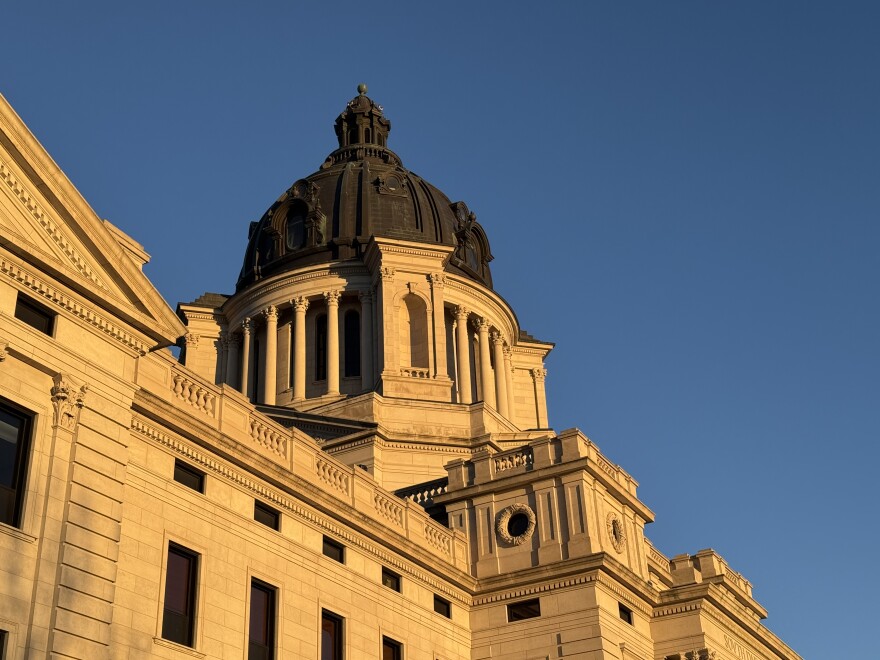
South Dakota Capitol Building
As South Dakota progresses with this newly approved budget, the state continues to emphasize addressing the needs of its citizens while managing economic growth responsibly.