
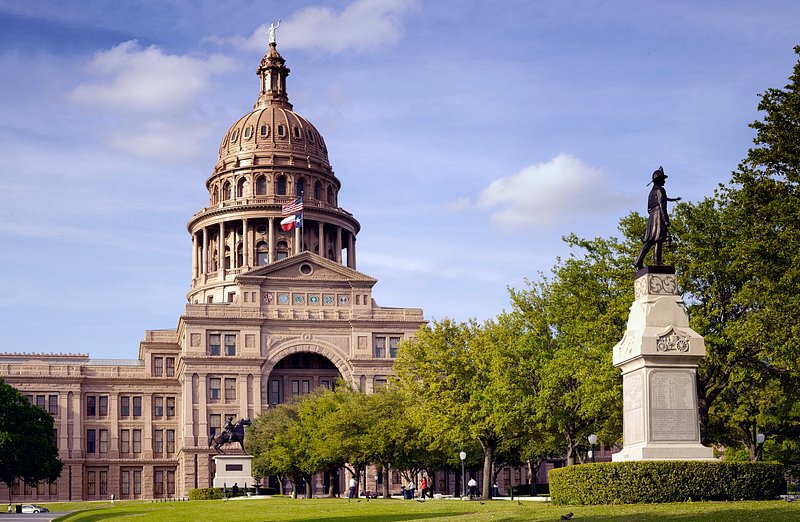
The picturesque state of South Dakota, known for its sprawling landscapes and rich indigenous culture, finds itself at the epicenter of a heated debate over gender identity as a legislative committee at the state Capitol in Pierre advances a contentious bill. The bill seeks to define “man” and “woman” based on biological characteristics, sparking a significant dialogue that echoes beyond the state’s borders.
Championed by Jon Hansen, the Republican Speaker of the South Dakota House of Representatives from the quaint town of Dell Rapids, the proposed legislation is designed to establish “clear, consistent definitions” for terms like “man,” “woman,” “male,” and “female.” In Hansen’s own words, these definitions are “grounded in biological reality.” The advancement of this bill comes at a pivotal moment as Hansen, who is also a candidate for the Republican nomination for governor in the upcoming June primary, steers the conversation surrounding gender identity legislation.
With a vote tally of 10-2, the House State Affairs Committee’s decision to push the bill forward highlights South Dakota’s burgeoning role in the national discussion about gender definitions. Under the proposed bill, a “female” is defined as an individual who has a reproductive system to produce and utilize eggs, a definition mirrored by “male” for those with sperm-producing capabilities. The bill thereby acknowledges only the binary sexes of “male” and “female.”
To understand the root of this legislative pursuit, it’s essential to consider South Dakota’s demographic diversity and cultural heritage. Within this mix, the Rosebud Sioux Tribe stands out, represented politically by Eric Emery, a member of the tribe and a vocal opponent of the bill. Emery emphasizes the tribe’s historical acceptance of gender fluidity, acknowledging individuals who identify beyond the traditional binary as “two-spirited.”
Those opposing the bill, including Democratic representatives such as Erin Healy from Sioux Falls and a vast network of civil rights advocates, argue that the stringent definitions could create legal and administrative complications, potentially leading to conflicts with existing civil rights laws that protect gender identity and expression.
Meanwhile, supporters of the bill, like Cindy Meyer from Hartford, are bolstered by opinion leaders such as Matt Sharp from the Arizona-based Alliance Defending Freedom. They advocate for biologically grounded definitions as a means of safeguarding women’s and girls’ rights in sports and ensuring privacy and safety in spaces designated for females.
In a separate though related legislative action, the committee unanimously passed another bill concerning bathroom laws by a 12-0 vote. This legislation, driven by privacy and safety concerns, addresses public restroom and changing room use by transgender individuals, restricting access based on biological sex. The bill also introduces carveouts for shared professional spaces such as those for law enforcement, firefighters, and theatrical performers to avoid criminalizing necessary shared facilities.
South Dakota, while widely recognized for its outdoor tourism and the majestic presence of Mount Rushmore, is now becoming prominently known for its legislative approaches to contemporary issues. This latest legislative effort not only reflects local values and political agendas but also sets a precedent in the broader socio-political landscape, drawing attention to how states define gender roles and rights.
The journey of this bill through the legislative process is emblematic of the broader national and international discussions about gender identity. As debates continue to unfold, South Dakota’s vibrant communities, from urban centers to rural homesteads, remain engaged in shaping the future course of such important societal issues.
For further information on the legislative progress and to participate in the ongoing community dialogue, stakeholders and interested citizens are encouraged to contact their local representatives or follow detailed updates through South Dakota’s legislative website. The discourse may evolve, but the pivotal role of the South Dakotan people in determining the outcome remains steadfast.