
The 2026 legislative session in South Dakota is poised to be a significant one, with key issues such as voting rights and First Amendment concerns taking center stage. As the state weighs various legislative proposals, the relevance and impact on South Dakota’s citizens remain at the forefront of discussions.
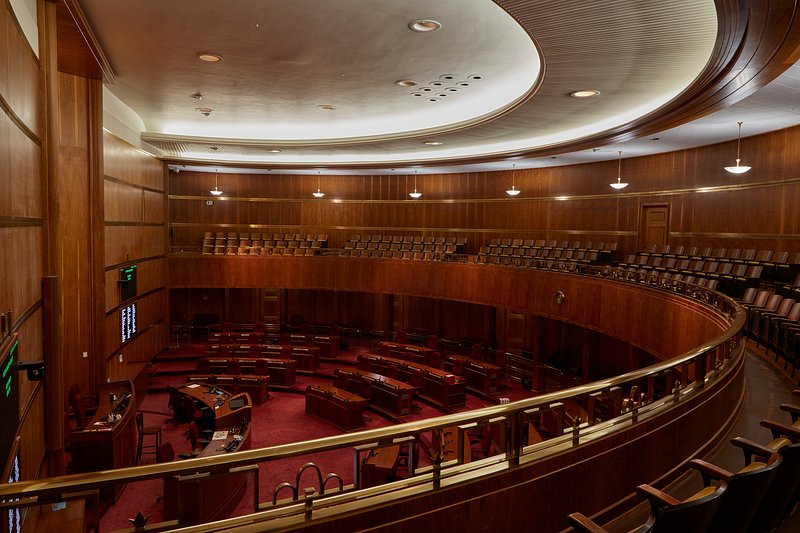
Bills are being filed as the State Capitol in Pierre prepares to come alive for this year’s session, beginning January 13. Lobbyists and legislators alike are gearing up to advocate for their priority issues, which include not only local but also national concerns.
The American Civil Liberties Union (ACLU) of South Dakota, a key lobbying organization, is focused on challenging proposals that could potentially affect voting rights and free speech. Samantha Chapman, the ACLU’s advocacy manager, is particularly concerned about a proposal that would allow challenges to a voter’s eligibility based on citizenship. “The concern here is that, who is to say, based on appearance, whether or not somebody is a US citizen,” Chapman points out. “If we now have a law in South Dakota allowing anybody to challenge voters they think might not be US citizens, it’s going to open the door for racial profiling at the polls. It’s going to discourage people from voting if they think they’re going to be harassed.”
Historically, South Dakota has mandated that only US citizens are allowed to vote, a rule strictly enforced under penalty of law. This historical context makes the current proposal particularly contentious, as it challenges the established legal framework of voter eligibility.
Another significant concern for the ACLU is South Dakota’s response to proposals similar to those seen in Texas and South Carolina, aimed at criminalizing websites that share information about abortion care. In a state where abortion is banned, the right to discuss such topics falls under the protection of free speech. Chapman emphasizes, “In other states, what we have seen is grave concern to First Amendment protections for speech. Even though abortion is banned in South Dakota, people are still free to talk about it. It’s free speech.”
These proposals have stirred debates about reproductive rights, especially following a recent ad campaign that linked South Dakotans to abortion and gender-affirming care options available online. The campaign highlights the ongoing societal conversation around reproductive health and access to information.
Chapman stresses the importance of local advocacy in shaping the legislative process. She encourages citizens to participate actively by reminding them that the state Capitol is the peoples’ house, open to all South Dakotans to advocate for their positions on pending legislation. “The Capitol in Pierre is the peoples’ house, and anybody is welcome to come to the Capitol and advocate for their positions on pending legislation at any time,” she says. This grassroots engagement is vital because state legislators represent much smaller constituencies compared to federal lawmakers, handling between 3,000 to 13,000 constituents.
As South Dakota braces for this pivotal legislative session, the state’s media, including SDPB, will provide extensive coverage of proceedings through journalism and livestreams, ensuring that citizens remain informed about the developments in Pierre.
South Dakota’s unique socio-political landscape, marked by its small population spread across a large geographic area, makes it a crucial battleground for issues that often have nationwide implications. As the legislative session unfolds, all eyes will be on Pierre to see how these debates resonate with South Dakotans and influence broader national discussions on voting rights and free speech.