
South Dakota stands at a fiscal crossroads as it enters 2025, grappling with economic decisions poised to shape its educational and economic landscape. Governor Larry Rhoden’s recent budget proposal has prompted intense debate about priorities in the Mount Rushmore State. On December 2, 2025, Gov. Rhoden addressed lawmakers at the Capitol in Pierre, highlighting his vision for a ‘flat’ state budget, sparking a dialogue about fiscal responsibility and economic development.
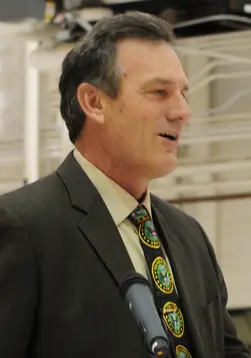
Larry Rhoden
In his address, Governor Rhoden made it clear: “Because our revenues haven’t grown much, we have to keep them flat this year.” This means no additional funding for South Dakota’s schools, state employees, and health care providers, sending ripples of concern across these essential sectors.
The Economic Dilemma
The decision to maintain current funding levels comes against the backdrop of a 2023 legislative decision to reduce the state sales tax rate from 4.5% to 4.2%. While aimed at providing relief, this cut is projected to cost the state over $100 million annually, impacting its financial health. Many South Dakotans question whether the savings in their pockets justify the broader financial implications for state services.
Lessons from the Past: The Abandoned Prison Project
Under former governor Kristi Noem, South Dakota invested $20 million in a prison site development project that ultimately fell through, illustrating the high stakes of fiscal decisions. Fueled by federal COVID-19 relief funds, the project geared towards replacing the Sioux Falls penitentiary’s oldest sections ended in controversy and legal battles. As lawsuits erupted from Lincoln County landowners, the state found itself in a quagmire of public discontent and financial loss.
This episode serves as a cautionary tale as Governor Rhoden now emphasizes fiscal prudence over expansive spending. With a more measured approach, his administration abandoned the original site, opting instead for alternatives that more closely align with community expectations and budget constraints.
Investing in the Future: Economic Development at a Crossroads
CJ Schwan’s, part of the South Korean CJ Group, stands at the center of South Dakota’s economic development plans, with the state pledging $69 million in grants, loans, and tax rebates to foster a new frozen food production plant in Sioux Falls. Although the plant is expected to create 650 jobs, earning an average of $40,000 per year, many question the return on this substantial investment, particularly when state aid translates to over $106,000 per employee.

Kristi Noem
This venture underscores the interconnectedness of government and private enterprise in South Dakota’s economic landscape. Controversy has arisen over connections to CJ Schwan’s by influential figures like Steve Westra, a former state economic development commissioner, and Jeff Erickson, current chairman of the Board of Economic Development. These ties have sparked discussions around governance, transparency, and the allocation of taxpayer dollars.
A Community’s Questions and Concerns
South Dakotans are understandably concerned about their state’s financial trajectory. Schools, health care providers, and state employees face unchanged funding levels despite rising costs and demand for services. For many, the governmental motto seems akin to the fictional tale from “National Lampoon’s Christmas Vacation,” where expectations fell short of reality, leaving citizens akin to Clark Griswold’s disappointment.
“The biggest bag-over-the-head, punch-in-the-face I ever got,” said Clark. For those invested in South Dakota’s future, be it through family, education, or healthcare, Rhoden’s budget proposal strikes a similar chord, prompting reflection and calls for a greater commitment to long-term prosperity and stability.
Conclusion: Navigating Fiscal Realities
As South Dakota navigates these tumultuous fiscal waters, the balance between short-term savings and long-term investment becomes clearer. Governor Rhoden’s strategy urges restraint, yet demands careful consideration of which economic paths will nurture growth and opportunity.
As the state refines its approach to budgeting, the challenge lies not just in numbers but in addressing the trust and expectations of its residents. South Dakota’s leaders must reconcile fiscal realities with the dreams and demands of a state ready to expand and evolve.
In this financial tale, South Dakota stands poised at the precipice of economic potential, aiming to elevate its stature while ensuring that the prosperity enjoyed today paves the way for an even brighter tomorrow.