
PIERRE, South Dakota — The story of Whiteclay, Nebraska, is one of complex cross-state dynamics, touching upon profound social issues that resonate deeply with the adjacent state of South Dakota. This narrative unfolds around the unincorporated village of Whiteclay, which sits on the border with South Dakota, where beer stores famously sold over 3 million cans annually to the dry Pine Ridge Indian Reservation, which spans both states. This tale is not just about the place but about a coalition of dedicated individuals, including South Dakotans, who stood up against a tide of injustices.
The Pine Ridge Indian Reservation, officially dry and spanning a large area predominantly within South Dakota, faces significant challenges due to the rampant sales from Whiteclay. Here, in this sacred lands of the Lakota people, the adverse effects of alcohol manifest in heartbreaking ways, such as fetal alcohol syndrome and alcohol-related violence. John Maisch, an Oklahoma attorney and college instructor originally from Grand Island, Nebraska, became a central figure in this fight when he began investigating Whiteclay in 2013. His work underscored the deep-rooted issues faced by the reservation.
Maisch’s journey led him on numerous 700-mile treks to Whiteclay over four years, determined to document and challenge the illegal alcohol sales. Maisch, a name now synonymous with perseverance against liquor violations, took his mission to the public eye through Sober Indian/Dangerous Indian, a powerful documentary that drew attention to the lives affected by alcohol sales in Whiteclay.
South Dakota native Nora Boesem stands out among the myriad of activists. A former pediatric nurse from Newell, South Dakota, Boesem became a stalwart ally, particularly in the fight against fetal alcohol syndrome. Her experience as a foster parent to many children born with fetal alcohol syndrome highlighted the cross-state consequence of Whiteclay’s liquor sales. Boesem’s work brought the harsh reality of alcohol’s impact to families on both sides of the border.
In addition to her advocacy, Boesem and other activists from the American Indian Movement and Nebraskans for Peace partnered to galvanize protest walks and legislative changes, underscoring South Dakota’s pivotal role in the unfolding events.
Maisch’s efforts, described in vivid detail in his posthumous book, Whiteclay: An American Tragedy, would not have been possible without the collaboration of such dedicated individuals, rallying to close the beer stores in 2017. The book, published by his widow Julia Maisch, highlights this crucial chapter in advocacy and the community partnership across state lines.

Nora Boesem, South Dakota advocate for children affected by fetal alcohol syndrome.
The closure of Whiteclay’s beer stores marked a turning point, auspiciously fulfilling the decades-long dream of activists like Frank LaMere, member of the Winnebago Tribe. LaMere, an indomitable figure from Nebraska, worked closely with South Dakota counterparts to see this change realized. After Whiteclay’s alcohol trade was halted, the impact was immediate and significant, particularly for South Dakota — emergency calls and incidents related to alcohol drastically dropped.
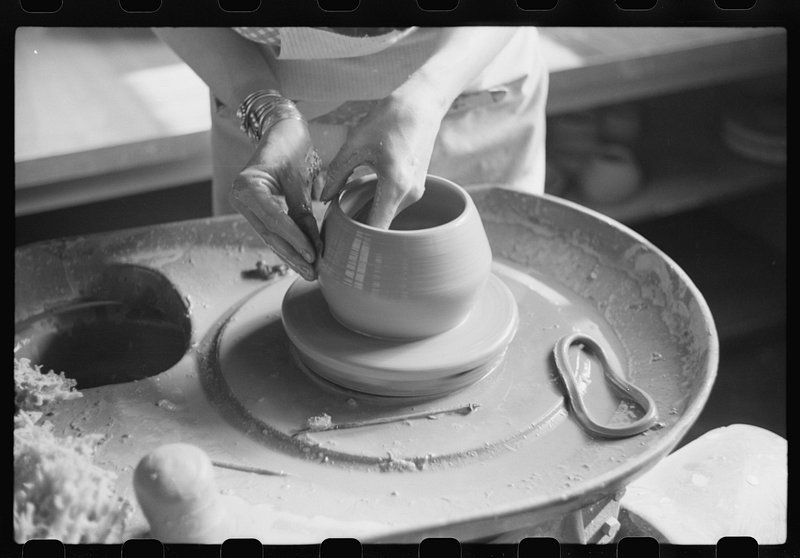
More than just the cessation of alcohol sales, the era post-Whiteclay closure paved the way for new hope and initiatives. For instance, community programs now flourish to support native artists and crafters from the reservation, thanks in part to the newfound stability in the area. These programs were made possible through collaborations across states, highlighting South Dakota’s steady hand in creating outlets for healing and restoration.
The story of Whiteclay is both a local and regional narrative, bearing witness to the power of people united in cause, transcending state borders to strive for justice. Initiatives have transformed the socio-economic landscape of areas adjacent to Pine Ridge, affirming the capacity for collective action spurred by Maisch and the many who supported his vision.
As Whiteclay’s lingering memories fade, organizations in South Dakota continue to advocate and provide resources for those affected, illustrating the enduring bonds between the state and the individuals committed to positive change. This legacy of cross-border cooperation remains an emblem of regional solidarity and serves as a critical reminder of the steps communities can take to effect meaningful change.

Arianna Boesem, born on Pine Ridge with fetal alcohol syndrome, symbolizes the struggles faced by many families.
In the words of Maisch, “Nothing changes if we protect our own comfort at the expense of others’ pain. Nothing changes when we refuse to be unsettled, but when we are willing to feel that discomfort and step across the line and stay with it, something begins to shift.” This guiding philosophy remains central to the ongoing efforts in South Dakota and reinforces the narrative that when states and individuals rise together, they can challenge and overcome systemic barriers.
The subsequent decline in ambulance and enforcement calls in Whiteclay not only points to the positive impacts of collective efforts but also offers a model for addressing similar issues across the country. The success in closing the beer stores highlights the role that determination and community support plays in achieving long-lasting societal change.