

On December 5, 2025, the serene fields of South Dakota echoed with concern as highly pathogenic avian influenza (HPAI) was confirmed in a commercial meat turkey flock located in Kingsbury County. This latest instance brings the total number of commercial poultry infections in South Dakota to 19 cases in 2025. Notably, all but one of these cases involved turkey flocks, reinforcing the devastating impact this outbreak has had on the state’s thriving poultry industry.
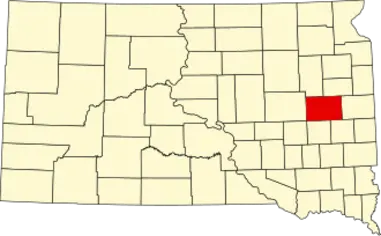
Kingsbury County, South Dakota
The United States Department of Agriculture (USDA) Animal and Plant Health Inspection Service (APHIS) confirmed that this particular case affected a flock of 38,700 turkeys in Kingsbury County. Driven by the prevailing winds of global bird migratory patterns and regional poultry trading dynamics, the HPAI outbreak presents a significant challenge given South Dakota’s prominence in turkey production.
South Dakota is renowned not only for its majestic landscapes and monuments but also for its vital agricultural sector. Poultry farming stands as a cornerstone of the state’s economy, with turkey production playing a significant role. According to state agricultural reports, South Dakota ranks among the top turkey-producing states in the nation, with thousands of jobs tied to this industry.
The presence of HPAI in the state is thus a matter of great concern for local farmers and businesses. It draws considerable attention to the biosecurity measures employed by farmers who strive to protect their flocks from such outbreaks. Amidst the sweeping plains and the picturesque Badlands, the relentless dedication of South Dakota’s poultry farmers is palpable as they endeavor to safeguard their livelihoods against these viral onslaughts.

Aurora County, South Dakota
The state had previously recorded its only non-turkey-related case in Aurora County earlier this year, affecting a flock of egg-laying hens. This anomaly demonstrated the virus’s capability to stretch beyond its common target of turkeys and serve as a reminder of the unpredictable nature of avian influenza.
While South Dakota grapples with these challenges, the impact resonates beyond its agriculture, touching on food security and the broader economic implications for the Midwestern region. The state’s agricultural sector has linked arms, with community-driven initiatives rising to the forefront, to combat this biosecurity threat.
As South Dakota farmers and agricultural stakeholders work tirelessly to mitigate the spread of HPAI, the state continues to vigilantly monitor its flocks and implement stringent controls. Emergencies such as these showcase the collaborative spirit of South Dakotans who, time and again, have shown resilience in the face of adversity.
For more detailed coverage on the ongoing avian influenza crisis and real-time updates, you can follow through this dedicated coverage. Stay informed with an interactive map depicting the progression of HPAI cases across North American poultry.
In summary, the South Dakota turkey industry stands strong, with enhanced vigilance and collective action aimed at combating this crisis. The fight against HPAI continues, reminding us of the intertwining of human and ecological spheres, and the ongoing battle of preserving the health of our vital agricultural sectors.