
In an important event for South Dakota’s political landscape, the South Dakota Public Broadcasting (SDPB), in collaboration with South Dakota News Watch, hosted a pivotal debate for the state’s lone U.S. House of Representatives seat. The debate, held at the Leo P. Flynn Gallery in SDPB’s Sioux Falls studio, featured two prominent figures: Democrat Nikki Gronli, a small business owner and former USDA Rural Development State Director, and Republican Marty Jackley, currently serving as South Dakota’s Attorney General with a rich background in electrical engineering and law.
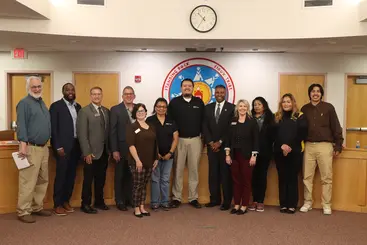
Nikki Gronli
The debate, a significant marker in South Dakota’s electoral timeline, covered a wide range of topics critical to the state’s electorate, such as affordability, economic development, international relations, and energy independence. These issues resonate deeply across South Dakota, reflecting the everyday concerns of its citizens. As both candidates presented their views, they showcased their understanding of the unique dynamics and needs of South Dakotans.
A Closer Look at the Candidates
Nikki Gronli brought forward her experience as a small business owner and her tenure under President Biden’s administration, where she played a crucial role in rural broadband, healthcare, and infrastructure investments worth $1.4 billion. “South Dakota families are being squeezed at the grocery store, the gas pump, and when they pay their monthly bills,” she remarked, signaling her focus on economic relief for the average South Dakotan.
Marty Jackley, with deep roots in South Dakota, emphasized his service as Attorney General. Raised on a farm, Jackley highlighted his commitment to maintaining the moral values and work ethic he learned from his upbringing in Sturgis. “As your United States Attorney and Attorney General, I’ve learned how to lead and I’ve learned how to fight and win for you,” he assured the voters.
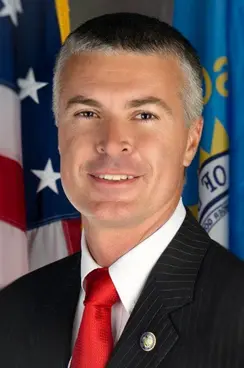
Marty Jackley
Debating the Key Issues
The topic of tariffs sparked intense discussions, as both candidates addressed its effects on South Dakota’s agriculture-dependent economy. While Jackley defended the necessity of certain tariffs for protecting local industries, Gronli criticized them, arguing they hurt South Dakota’s businesses and trade relations with Canada, a vital partner.
Economic development strategies were also debated, with Gronli advocating for increased funding to the Small Business Administration and USDA rural development business loans to spur local entrepreneurship. Jackley emphasized the importance of infrastructure and partnerships with the state government to foster economic growth.
Focus on South Dakota’s Rich Heritage
Given the historical and ongoing significance of tribal relations in South Dakota, candidates discussed federal policies impacting tribal communities. Both recognized the need for improved tribal consultations, with Gronli stressing more public safety funding and Jackley advocating for stronger Department of Interior partnerships.
Commitment to Veterans and Healthcare
Veteran affairs were another focal point, as candidates sought to ensure South Dakota’s veterans receive the healthcare and benefits they deserve. Gronli highlighted the need to return to policies that effectively served veterans under the Biden administration, while Jackley proposed offering veterans choices between government and private healthcare systems.
Conclusion
The debate was more than just a political contest; it was a reflection of the state’s priorities and values. As South Dakota prepares for the upcoming general election on November 3rd, these discussions offer voters a clearer picture of the candidates vying to shape the future of South Dakota at the federal level.
The debate’s significance extended beyond policy; it was about connecting with the South Dakotans who will soon head to the polls. As election day approaches, the conversation continues about which vision for South Dakota aligns most closely with the needs and aspirations of its people.
For full details on voter registration and early voting, residents can visit the South Dakota Secretary of State’s website. Indeed, South Dakota is at a crossroads, with its citizens empowered to make impactful decisions on the path forward for the state and the nation.