
The U.S. Supreme Court has upheld the Trump administration’s decision to terminate the Temporary Protected Status (TPS) for more than 330,000 Haitian nationals residing legally in the United States. This decision has sparked notable concern among South Dakotans, particularly those involved in humanitarian efforts focused on Haiti.
South Dakota, known for its profound sense of community and compassion, has seen individuals rally in support of Haitian asylum seekers. The U.S. Department of Homeland Security’s claim—that conditions in Haiti no longer warrant the continuation of TPS—has been met with skepticism, especially against the backdrop of Haiti’s ongoing political unrest and security challenges. The country is currently under a Level 4 “Do Not Travel” advisory from the U.S. State Department, warning of kidnappings, crime, and civil unrest.
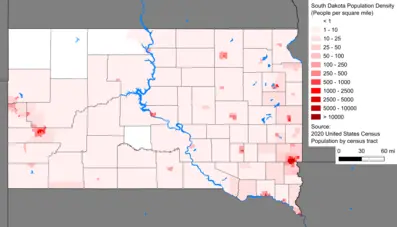
South Dakota
In Sioux Falls, a bright beacon of hope is Bruce Blumer, co-founder of the South Dakota-based nonprofit organization Haiti Alive. Despite the challenging circumstances in Haiti, Haiti Alive persistently works to improve conditions in specific areas of the country, driven by their commitment to humanitarian causes and the resilience exhibited by South Dakota’s people.
During a recent interview at the SDPB studios in Sioux Falls, Bruce Blumer shared crucial updates on the progress and struggles of Haiti Alive, revealing how South Dakota citizens can play an integral role in fostering global partnerships and aiding those in dire need.
Bruce Blumer stated, “We are determined to continue our efforts in Haiti because we see the positive impact of our work and the significant improvements in the lives of many individuals.” This interview was recorded on July 23, prior to the official expiration of TPS for Haitians in the U.S., and SDPB plans to offer a transcript of the interview to ensure accessibility to a broader audience.
For more information on how to support these initiatives, visit haitialive.org.
The influence of South Dakota resonates through the heartfelt actions of its residents, as seen in the activities of Haiti Alive. While decisions at the federal level, like those of the Supreme Court, affect broader populations and policies, it’s the localized efforts of South Dakota’s community that shine a spotlight on the humanitarian fabric that defines the state. By addressing the pressing issues faced by Haitians, South Dakotans demonstrate a model of empathy and action.
As discussions around immigration policies and humanitarian efforts continue to evolve, South Dakota remains a significant player in these discourses, emphasizing the importance of community-driven initiatives. The state’s dedication to global humanitarian support could pave the way for more collaborative efforts in the future.
An upcoming transcript of the conversation between Blumer and SDPB’s team will become available soon, reflecting SDPB‘s commitment to accessibility and the provision of valuable information to all interested parties. Stay tuned to the SDPB platform for more updates.