
Community Input: A Pillar of Public Health Advocacy in South Dakota
There is a common saying in public health: “Everything is public health.” This is especially true in South Dakota, where public health plays a vital role in maintaining the well-being of its residents. From the clean air of the Black Hills to the fertile plains that support agriculture, public health initiatives are crucial in shaping the environment where South Dakotans live, work, learn, and play.

Jennifer Noll Folliard
Public health encompasses various aspects of daily life such as clean water, air quality, food safety, and healthy environments. These conditions do not happen by accident; they are crafted by deliberate policies and systems supported by collective investments. Jennifer Noll Folliard and DenYelle Baete Kenyon, public health advocates, emphasize that community input is crucial for strong public health advocacy in South Dakota.
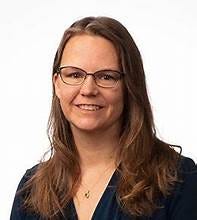
DenYelle Baete Kenyon
In South Dakota, the dynamic nature of public health requires continuous adaptation to meet evolving needs. The local roles such as school nurses taking care of children’s health, extension agents aiding farmers, WIC dietitians contributing to healthy pregnancies, and food inspectors ensuring the safety of meals are indispensable components of the public health infrastructure.
South Dakota has a distinct rural and agricultural characteristic that shapes its public health policies. The state’s unique needs are met by investing in community health services and seeking substantial input from local stakeholders to address emerging threats. Such community engagement resonates with the ethos of South Dakotans who value collaboration and collective growth.
South Dakota’s commitment to public health can be seen in its proactive measures in various fields:
- Ensuring water quality through vigilant monitoring in relation to agriculture and industrial activities.
- Promoting air quality by balancing between industrial development and environmental conservation along the Missouri River and beyond.
- Adapting food safety regulations that cater to both large-scale agricultural operations and smaller local farmers’ markets.
Community input in these areas translates to more informed policies that resonate with the distinct needs of South Dakota’s populace. This perspective is a driving factor in shaping public health policies that ensure the well-being of all its residents.
One current example of investment in public health infrastructure is the city of Sioux Falls, which will soon see the handover of a $1.1 billion capital spending plan, aimed at fortifying the city’s capacity to meet the growing demands of its community. The investment reflects a broader commitment to public health as a pillar for thriving communities.
The Dakota Scout, South Dakota’s local news outlet, provides a platform for discussions on public health and other matters through its viewpoint columns. Residents are encouraged to contribute to this dialogue by subscribing and staying informed about issues that affect their communities.
Contact The Dakota Scout for more information and to share your perspective.
The insights shared by Jennifer Noll Folliard and DenYelle Baete Kenyon ring true across South Dakota. Their message is clear: public health is more than just a sector—it’s a communal effort that requires active participation from all members of society to ensure thriving and resilient communities.