
As South Dakota strides forward, its deeply rooted ranching culture faces a new challenge—vaccination trends. Recent findings from a survey conducted among beef producers in the state reflects a crossroads where traditional practices meet contemporary skepticism.
Conducted in October 2024, the survey invited 6,238 beef producers from across South Dakota. The state is renowned for its rolling plains and vast open spaces, offering a perfect landscape for cattle ranching. Out of those invited, 339 beef producers responded, providing insights into current attitudes towards cattle vaccines and potential corollaries with COVID-19 vaccine hesitancy.
According to the survey, an overwhelming majority, 94% of beef producers, regularly vaccinate their cattle with established vaccines. This practice is deeply ingrained in South Dakota’s cattle raising fabric, vital for maintaining herd health and ensuring the economic viability of their operations. However, the shadow of the COVID-19 pandemic looms large, influencing attitudes even within this realm.
While the longstanding vaccine practices for herds remain largely unaffected, there is a notable disparity when it comes to new vaccines for conditions like Highly Pathogenic Avian Influenza (HPAI). The survey revealed that only 24% of participants are likely to adopt HPAI vaccines for their cattle if they become available.
During the survey, 88.2% of respondents acknowledged awareness that bird flu impacted the state’s dairy cattle. Despite this knowledge, a cautious stance remains prevalent—rooted in the uncertainty surrounding new vaccines. As noted by Robert Daly, “The established vaccines have been seen to work. Newer threats like HPAI cause caution because they haven’t been time-tested.”
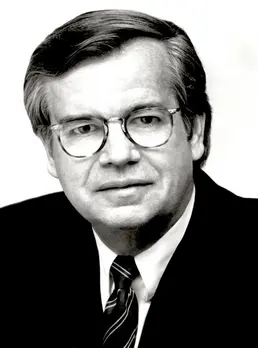
Robert Daly, Veterinarian
Interestingly, a significant portion, about 44% of beef producers, had not received a COVID-19 vaccination, exposing a broader sentiment of vaccine hesitancy. The research found no direct correlation between the uptake of the COVID-19 vaccine and established cattle vaccinations. However, there was a statistically positive inclination to consider HPAI vaccination linked to those who were vaccinated against COVID-19, showcasing underlying complexities in vaccine perception.
These findings illustrate a microcosm of the larger societal trends affecting South Dakota’s rural communities. The cultural interweaving of individual freedoms and public health preparedness brings unique challenges. Veterinarians play a crucial role here, with 51% of producers consulting veterinarians every few months. This professional guidance reinforces trust in traditional vaccine methods and could be pivotal in the acceptance of new vaccines.
In the post-pandemic context, such caution pertains not only to human health but extends into the economic lifeline that livestock represents in South Dakota. The ripple effects of COVID-19 vaccine attitudes seep into decisions that could potentially steer the future of cattle health management.
The phenomenon, dubbed the “spillover effect,” where skepticism towards human vaccines influences perceptions about animal vaccines, is of particular interest. Studies have identified this trend across various spectrums, suggesting strong behavioral patterns that bind human and veterinary health decisions.
The stakes are undeniably high. As the necessity for a One Health approach becomes more pronounced, understanding this dynamic is crucial—highlighting the bridge between human behaviors and animal health outcomes.
With its unique rural character and robust agricultural sector, South Dakota stands at the crossroads of these evolving themes. Future explorations anticipated to expand beyond the state could further inform strategies addressing these complex interdependencies. The insights provided by the survey serve as a starting point for in-depth studies poised to address these emerging connections.
Overall, South Dakota’s narrative is one of resilience, adaptation, and the pursuit of balance as its cattle producers navigate the evolving landscape of health decisions. As the state witnesses these shifts, the enduring values that define South Dakotan life—independence, respect for traditions, and community trust—will serve as guiding principles.