
Strengthening Law Enforcement Ties in South Dakota Through New Initiatives
In South Dakota, a significant challenge looms in the form of 109 active missing person cases, 68 of which are individuals of Native American descent. This sobering figure marks a priority for the state’s authorities as they seek to address the issue with enhanced strategies and collaborations.
South Dakota Attorney General Marty Jackley recently highlighted the steps being taken to improve the investigation of these cases. Despite facing funding hurdles, the state has managed to create a position within the Attorney General’s office specifically dedicated to organizing and building cases related to missing persons.
Jackley emphasized the role of community involvement and inter-agency collaboration during a recent discussion with Lori Walsh. He stated, “When you look at the problem, you just have to look at the numbers. So, in South Dakota right now, we have 109 on the list. All of the 109 have loved ones. It might be, you know, siblings. It might be children. They have moms and dads. So, it’s a priority here in South Dakota.” Requesting the public’s assistance, Jackley insists that public tips have been a critical factor in resolving many cases.
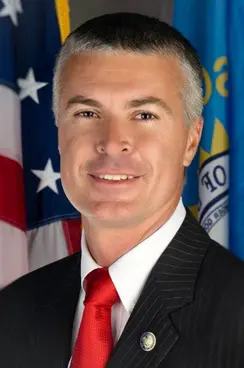
Marty Jackley
A crucial development reinforcing these efforts is the establishment of a new tribal law enforcement training academy in North Dakota. This initiative promises to impact investigations in South Dakota by providing specialized training to tribal officers, enhancing their capabilities and fostering better collaboration with local law enforcement and federal agencies.
Jackley is keen on maintaining a level of training within South Dakota itself, especially for officers operating close to home. He noted, “It’s important, especially for Pine Ridge and Rosebud, given locality. And I think it’s been something we’ve been doing here in South Dakota. We’re doing a great job of it and hoping some of those resources come to us to be a good partner with North Dakota on the good things that are happening with that training.”
Since 2024, 29 tribal officers have undergone training in joint sessions with deputy sheriffs and police officers in South Dakota. This training has been crucial in building trust and understanding between various law enforcement entities, a task Jackley believes is essential for effective policing in “Indian country.”
The decision to locate the National Regional Law Enforcement Center in North Dakota, instead of the proposed site in Pierre, South Dakota, was met with mixed feelings. While some officers will now travel to Devil’s Lake, North Dakota, for training, attempts are ongoing to secure training opportunities closer to home in Pierre.
South Dakota’s approach to missing persons has also seen the integration of “Feather alerts” under the broader endangered persons alerts system. Jackley appreciates the existing system’s efficacy but remains open to the idea of separate alerts for different groups, provided it doesn’t dilute existing efforts.
Efforts towards building trust between law enforcement and tribal communities continue to evolve. Collaborations with federal entities such as the DOJ and BIA are being leveraged to address the issue of missing and murdered indigenous people.
Jackley recognizes the ongoing challenge of securing adequate funding for further expanding the state’s resources dedicated to these cases. Reflecting on this, he commented, “I did not [ask for additional positions] because I’ve had some challenges on funding the one position. We were blessed when St. Joseph helped with the funding on that, and I appreciate that.”
However, Jackley stresses that public assistance remains vital. He advises that any information related to missing persons should be communicated promptly through 911, underscoring the importance of immediate and detailed reporting.
Looking ahead, South Dakota’s initiative to partner with the North Dakota training center, while preserving local training options, marks a step towards enhancing law enforcement capabilities. The ultimate goal remains the reduction of the missing persons list, thanks to joint efforts, increased public trust, and the ongoing support of communities throughout the state.