
Washington, D.C. – In a monumental move, the U.S. House of Representatives passed the Farm, Food, and National Security Act, popularly known as the Farm Bill, with a narrow bipartisan vote of 224-200. The bill promises significant impacts on South Dakota’s agricultural sector, a state where farming and ranching are the lifeblood of the economy. U.S. Representative Dusty Johnson, hailing from South Dakota, played a pivotal role in shaping the bill to benefit South Dakota’s agricultural community, ensuring that the state’s unique needs were aptly represented.
“Farmers and ranchers have made it clear – we need a completed Farm Bill,” said Johnson. “I worked hard to ensure this Farm Bill invests in rural America, secures our supply chains, and puts producers first. I’m glad it has passed the House, and I hope the Senate considers it soon to provide certainty for our hardworking producers.”
South Dakota is well-represented in the Farm Bill, with Johnson spearheading various initiatives that cater to the region’s specific agricultural challenges and strengths. Key to his priorities were acts included to bolster the local economy and address pressing rural issues. The SAFETY Act, for example, is aimed at safeguarding American exports from unfair trade practices, directly aiding South Dakota’s dairy producers who are pivotal to the state’s economy.

Dusty Johnson
The Butcher Block Act was also introduced, focusing on assisting new and expanding livestock and meat processors, a significant boost for South Dakota’s robust cattle industry. By improving accessibility and competition in the meatpacking industry, this act promises to rejuvenate rural areas by encouraging local processing and reducing dependence on out-of-state facilities.
One of Representative Johnson’s notable successes was the removal of the Greyhound Protection Act from the bill, which allows for the continued use and training of hunting dogs, a practice deeply rooted in South Dakotan tradition.
Johnson’s efforts have not gone unnoticed within the rural development sphere. The Farm Bill encompasses long-term investments in working lands conservation programs such as the Environmental Quality Incentives Program (EQIP) and Conservation Stewardship Program (CSP), which South Dakota’s farmers rely on to maintain productive and environmentally sustainable practices.
Further modernization efforts are encapsulated in the Farm Bill’s updates to USDA broadband programs, which aim to deliver faster internet speeds and improved connectivity in rural South Dakota communities, bridging the digital divide and encouraging technological advancements in agriculture.
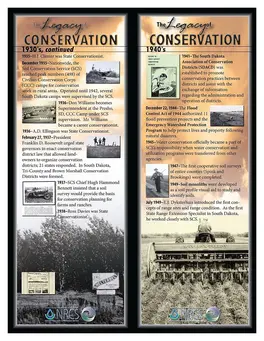
South Dakota Association of Conservation Districts
The South Dakota Agri-Business Association and other organizations have rallied in support of the bill, recognizing the potential benefits far beyond individual businesses to state-wide economic health. With over 500 agricultural organizations backing the bill nationwide, South Dakota’s local support includes influential groups like the South Dakota Corn Growers Association and the South Dakota Farm Bureau, underscoring the bill’s tailored advantages for local stakeholders.
Another significant inclusion is the strengthening of Tribal 1994 Land Grant Institutions, which are set to benefit from expanded capabilities in acquiring land, modernizing facilities, and investing in essential agricultural research and extension activities. This step is crucial for fostering economic and educational opportunities within tribal communities in South Dakota.
The passage of the Farm Bill marks a hopeful future for South Dakota’s agricultural community, promising investments in rural infrastructure, enhancements in production capabilities, and overall economic growth. With the ball now in the Senate’s court, the anticipation is high as the state waits for final approval, which will fortify South Dakota’s agricultural sectors for years to come.
The Farm Bill’s success is a testament to the committed effort of leaders like Representative Dusty Johnson, who continue to champion the needs of South Dakota’s agricultural communities. As the state celebrates this legislative achievement, it looks forward to a prosperous future deeply rooted in its agrarian heritage.