

The 2026 legislative session in South Dakota concluded this week, leaving a notable mark on the state’s policy landscape. On Monday, the South Dakota legislature debated two contentious bills that had been vetoed by Governor Larry Rhoden alongside a critical funding measure for Richmond Lake dam repairs. Despite the Democratic efforts to overturn these vetoes, both legislative proposals—one concerning personal care agency guidelines and the other enforcing a temporary prohibition on lab-grown meat—failed to secure the necessary two-thirds majority.
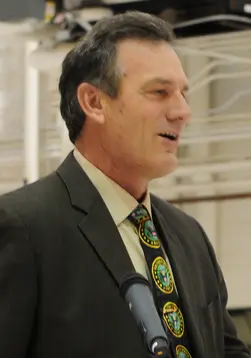
Larry Rhoden
The first legislative bill under scrutiny proposed to expand regulations for personal care agencies across South Dakota. This measure was defeated with a vote of 36 to 27, maintaining the status quo on existing requirements. Advocates for the bill highlighted the health and safety benefits for South Dakota’s growing senior demographic, yet fiscal conservatives voiced concerns over the financial burden additional regulations might impose on small, rural care providers.
Meanwhile, the second proposal placed a spotlight on modern agricultural practices by proposing a ban on the sale of lab-grown meat in South Dakota, an industry poised to revolutionize food production nationwide. Although this vote resulted in a 32-32 stalemate, legislative maneuvering led to a five-year moratorium being signed into law. The decision was emblematic of South Dakota’s commitment to supporting its traditional agriculture sector, an economic linchpin.
Governor Larry Rhoden, appearing confident in his veto decisions, expressed his administration’s focus on “protecting South Dakota’s economic interests and safeguarding consumer health.” This stance resonated with many constituents, especially within the state’s agricultural community.
Amidst these debates, another critical issue took center stage—the Richmond Lake dam and spillway restoration project. With potential risks looming over nearby residents and agricultural lands, the legislature approved $8.2 million in additional funding from South Dakota’s unclaimed property fund, bringing the total state commitment to $29.2 million. This allocation aims to ensure structural integrity and prevent catastrophic failures that could impact local communities.
The project, situated near Aberdeen, underscores the importance of infrastructural investment in rural South Dakota. The completion of these repairs will help protect both properties and lives, allowing the area to thrive without the looming threat of infrastructure failure. Given the bipartisan support, the measure easily maneuvered through both the House and the Senate.
Reflecting on the session’s outcomes, South Dakota residents showcased a mix of approval and concern—particularly with the failure to pass the personal care agency regulation bill, which some see as a lost opportunity to enhance essential services for the aging population.
Overall, the legislative session not only highlighted Governor Rhoden’s influence but also drew attention to the political and economic challenges South Dakota faces in an era of rapid social and technological change. As lawmakers return to their constituencies, the effects of these decisions will continue to ripple through the state’s diverse communities, affecting everything from healthcare to agriculture.

South Dakota Legislature
The session’s conclusion provides a moment to reflect on South Dakota’s priorities, where traditional values meet modern challenges. Whether it’s maintaining the delicate balance between economic progress and cultural preservation or ensuring the safety and infrastructure that support its citizens, South Dakota stands at a crossroads rich with potential.
For further inquiries, please contact the editorial team at info@sodak.news.