
Michael Klinski, michael.klinski@sdnewswatch.org
In the rolling plains and fertile fields of South Dakota, an unexpected visitor from distant lands has become both a symbol and a struggle for local communities. The infamous tumbleweed, known scientifically as Russian thistle, first made its appearance in South Dakota in 1873, a discovery that set the stage for one of the fastest plant invasions in North American history.
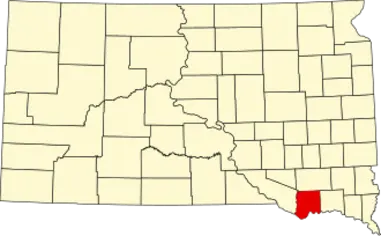
Bon Homme County
The origin story of the tumbleweed in America begins in Bon Homme County, a locale deeply rooted in agricultural history. Tumbleweed seeds arrived inadvertently, mixed with flaxseed from Europe and Central Asia, and planted unknowingly by settlers. As farmers prepared their lands, a new plant took root, thriving in the loose, plowed soil. This resilient thistle’s adaptability and spread drew early attention and concern, marked by the challenges it presented to crop yields and farm safety.
By the late 1880s, South Dakota farmers had cleared vast swathes of land for cultivation, inadvertently providing a perfect nursery for this invasive plant. Its rapid spread became symbolic of more than just cinematic landscapes; for agriculturalists, it signaled potential crop losses and the complication of managing farm terrain. Mature tumbleweed plants are notorious for their ability to wound both farmers and animals, adding an often overlooked hazard to the rural lifestyle.
Efforts to control the proliferation of tumbleweeds are ongoing, yet the natural diversity of the species poses a significant challenge. Historical difficulties in distinguishing tumbleweed seeds from other grains have facilitated its spread, complicating eradication attempts. Despite these challenges, researchers are committed to finding effective control methods, though precision targeting remains elusive due to the species variety.
The agricultural community of South Dakota is characterized by resilience and innovation, continuously adapting to both environmental and economic challenges. The introduction of tumbleweed is both a cautionary tale and a call to action for local scientists and farmers. With modern techniques, South Dakota aims to balance the preservation of its natural landscape with the practical needs of agriculture.
South Dakota is no stranger to geographical and cultural uniqueness. The state is home to iconic sites such as Mount Rushmore and the Badlands, bringing tourists from near and far. Yet, the challenges posed by invasive species such as the tumbleweed reflect broader environmental narratives prevailing within the state’s borders.

Tumbleweed in South Dakota
The people of South Dakota, characterized by a strong sense of community and tradition, approach such challenges with the perseverance and ingenuity emblematic of their spirit. This spirit drives agricultural initiatives towards sustainable solutions, encouraging innovation while preserving the environment.
As South Dakota confronts the ongoing presence of the tumbleweed, its efforts echo larger conversations on environmental stewardship, agricultural innovation, and community resilience. This narrative not only highlights a unique aspect of South Dakota’s agricultural landscape but also underscores the interconnection between human activity and natural ecosystems.
For more information, insights, or to share your own experiences with tumbleweeds in South Dakota, feel free to reach out. Engage with us and be part of the discussion by contacting Michael Klinski at michael.klinski@sdnewswatch.org.
Visit the South Dakota News Watch to explore more stories about South Dakota’s unique challenges and the innovative solutions driven by its communities.