
From the rugged landscapes of South Dakota to the sweeping vistas of Nebraska, Casey Seger-Franklin’s career is a journey through the heart of the Great Plains, grounded in the rich history and culture of this unique region. As the collections manager at the Great Plains Art Museum and Center for Great Plains Studies, Seger-Franklin brings a profound connection to the land and its people, both indigenous and immigrant, to his work in preserving the cultural history of the area.
“It’s important to have the everyday person’s information and experiences preserved for future historians to get a fuller picture of what life in our time was like,” Seger-Franklin stated. His career has been dedicated to this mission, ensuring that the stories that often go unheard are saved for posterity.
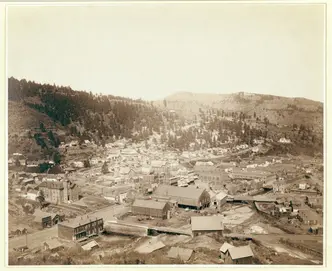
Deadwood, South Dakota
Growing up in Nebraska, Seger-Franklin always felt an intrinsic bond with the Great Plains. However, his experiences working at the South Dakota Art Museum were formative in his career. This institution, located in the heart of the Midwest, plays a crucial role in the preservation and celebration of local art and history. These early roles provided a foundation that would eventually lead him to the Great Plains Art Museum, which he currently calls home.
The South Dakota Art Museum, within the picturesque campus of South Dakota State University in Brookings, not only exhibits traditional art but also works from contemporary Native American artists, bridging a crucial connection between past and present cultural narratives. Seger-Franklin’s tasks at this museum included engaging with the narratives of these artists, whose works are deeply rooted in the traditions and cultural myths of the Native American tribes in South Dakota.
Much of Seger-Franklin’s work at the Great Plains Art Museum involves collaborating with Native artists and tribal communities, a labor of both passion and profound educational value. “Being able to reconnect those communities with their cultural items and even life stories is a great undertaking that’s changing now in museums,” he reflected. By meeting with members of tribal museums and understanding the iconography and symbolism in Native artwork, Seger-Franklin plays a critical role in the wider acknowledgment and appreciation of indigenous cultures.
Moreover, Seger-Franklin is actively involved with the annual Elizabeth Rubendall Artist-in-Residence program. This innovative initiative invites renowned artists to reside, create, and educate within the museum, offering hands-on learning experiences to students and fostering a vibrant cultural exchange that enriches not only the participants but the entire community. Of the program, he said, “It’s a great partnership with the Elizabeth Rubendall Foundation and it is a great opportunity for us to bring in artists that we might not be able to afford to host on our own, and it allows us to get a more diverse scope in the collection and what it means to be on the Great Plains.”
Through these efforts, the Great Plains Art Museum not only preserves art for future generations but also remains a hub of cultural dialogue. This mission aligns closely with Seger-Franklin’s passion for inclusive education and community engagement. His work ensures that students and visitors alike can gain profound insights into the artistic processes behind acclaimed creations, thus nurturing an appreciation and understanding of the Great Plains’ artistic heritage.
Beyond his museum duties, Seger-Franklin serves on the University of Nebraska’s Staff Senate, advocating for the well-being and recognition of all university staff members. Communication and transparency form the crux of his efforts to improve working conditions and benefits. “It’s always been a passion of mine to be an advocate for staff members, whether they’re the custodian or the administrative associate or wherever that position might be,” he explained.
In a region as diverse and vast as the Great Plains, the narratives of both land and people are interwoven and complex. The efforts of individuals like Casey Seger-Franklin, who actively preserve and share these histories, are vital in ensuring the continued remembrance and respect of these stories. Their work enriches our understanding of what it means to live in and love the Great Plains.