
South Dakota Faces Crossroads on Data Center Legislation Amid Economic Tug-of-War
PIERRE, S.D. – In a development that encapsulates South Dakota’s ongoing struggle to balance economic opportunities with community concerns, the state’s Legislature has become embroiled in a heated debate over the future of data centers. At the heart of this debate is Senate Bill 239, which aimed to offer tax relief to companies through equipment cost write-offs but failed by a razor-thin 16-17 margin.
The recent vote was notably delayed by nearly 40 minutes as lawmakers attempted to locate Republican Sen. John Carley from Piedmont, whose presence was crucial for a potential tie.
“Several senators have tried to call him, and he is not answering the phone. The governor tried to call him, and he did not answer the phone,” Lt. Gov.  Tony Venhuizen stated, revealing the report from the sergeant in arms.
As voices in the South Dakota State Senate grew louder, some, like Republican Sen. Randy Deibert of Spearfish, expressed frustration over the absence.
“This is just proof that we should be in our seats and represent our districts and not disappear,” he said.
The bill, spearheaded by Republican Sen. Casey Crabtree of Madison, reveals deeper divisions within the chamber. Proponents argue that, given South Dakota’s aspiration to attract data centers, such economic incentives are crucial. However, opponents, including Republican Senate Pro Tempore Chris Karr of Sioux Falls and Sen. 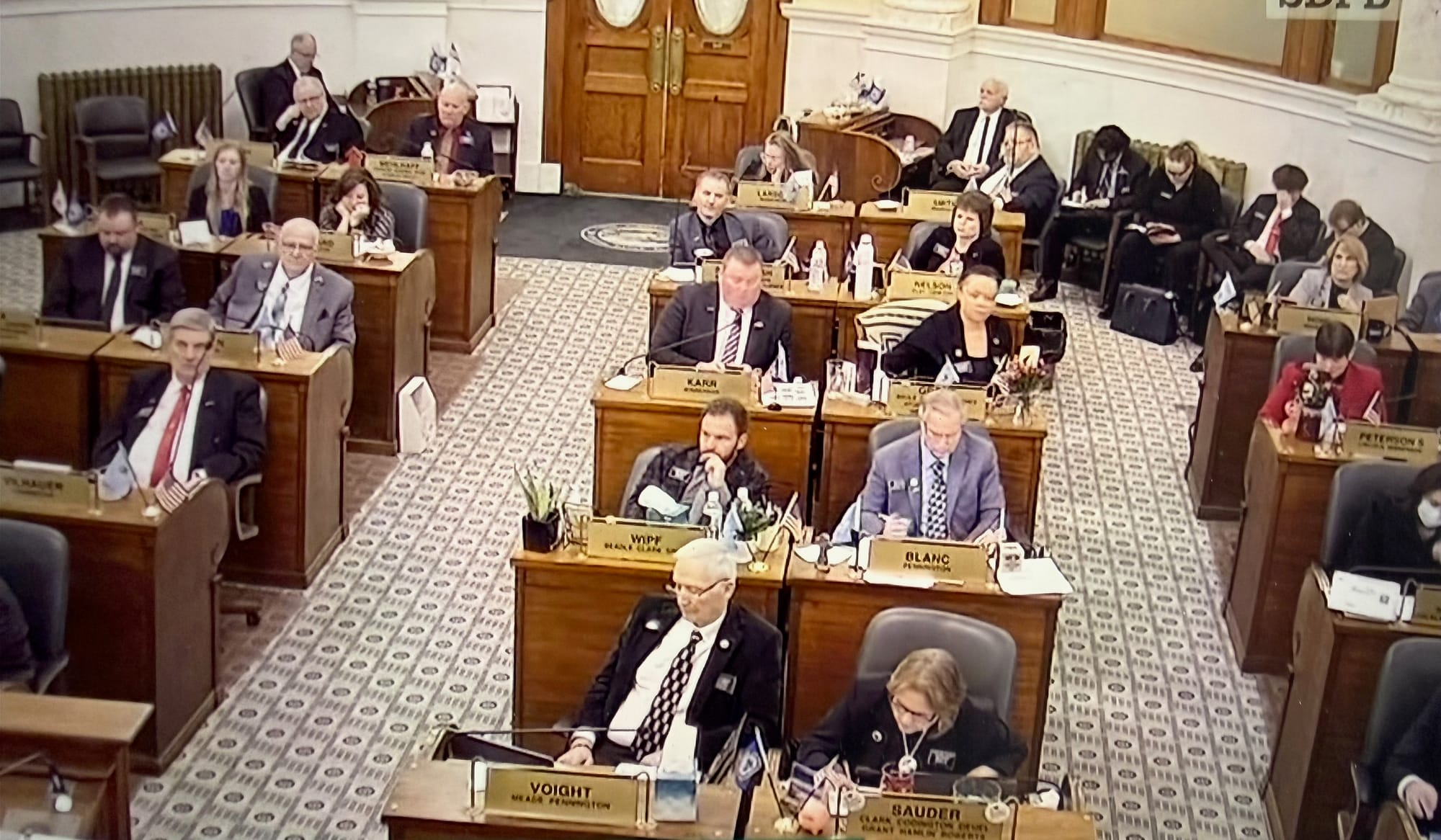 Taffy Howard of Rapid City, view it as potential government overreach.
According to Ryan Budmayr, CEO of the South Dakota Chamber of Commerce and Industry, the lack of tax relief puts the state at a disadvantage. He emphasized the need for South Dakota to remain competitive in attracting data centers, a significant source of tax revenue. In contrast, a bitcoin mining operation north of Pierre demonstrated potential benefits by generating over $800,000 in tax revenue for local schools.
alexander.rifaat@sdnewswatch.org
Despite these opportunities, community voices like Liz Tiger from Dakota Rural Action, a conservation group, caution against reliance on data centers. She cited concerns over broken promises from previous large-scale projects and potential impacts on state funding.
Several legislative proposals addressing data center-related issues like air and noise pollution, utility costs, and property rights have similarly faced defeat. Only two bills have survived—the first assessing the cost of data centers, and the second safeguarding residents from increased utility prices.
This ongoing debate over local versus state control was highlighted when Sioux Falls residents voiced concerns over local governance during a city council meeting.
As the debate over data centers continues, the broader question of economic development versus community needs persists. Proponents like 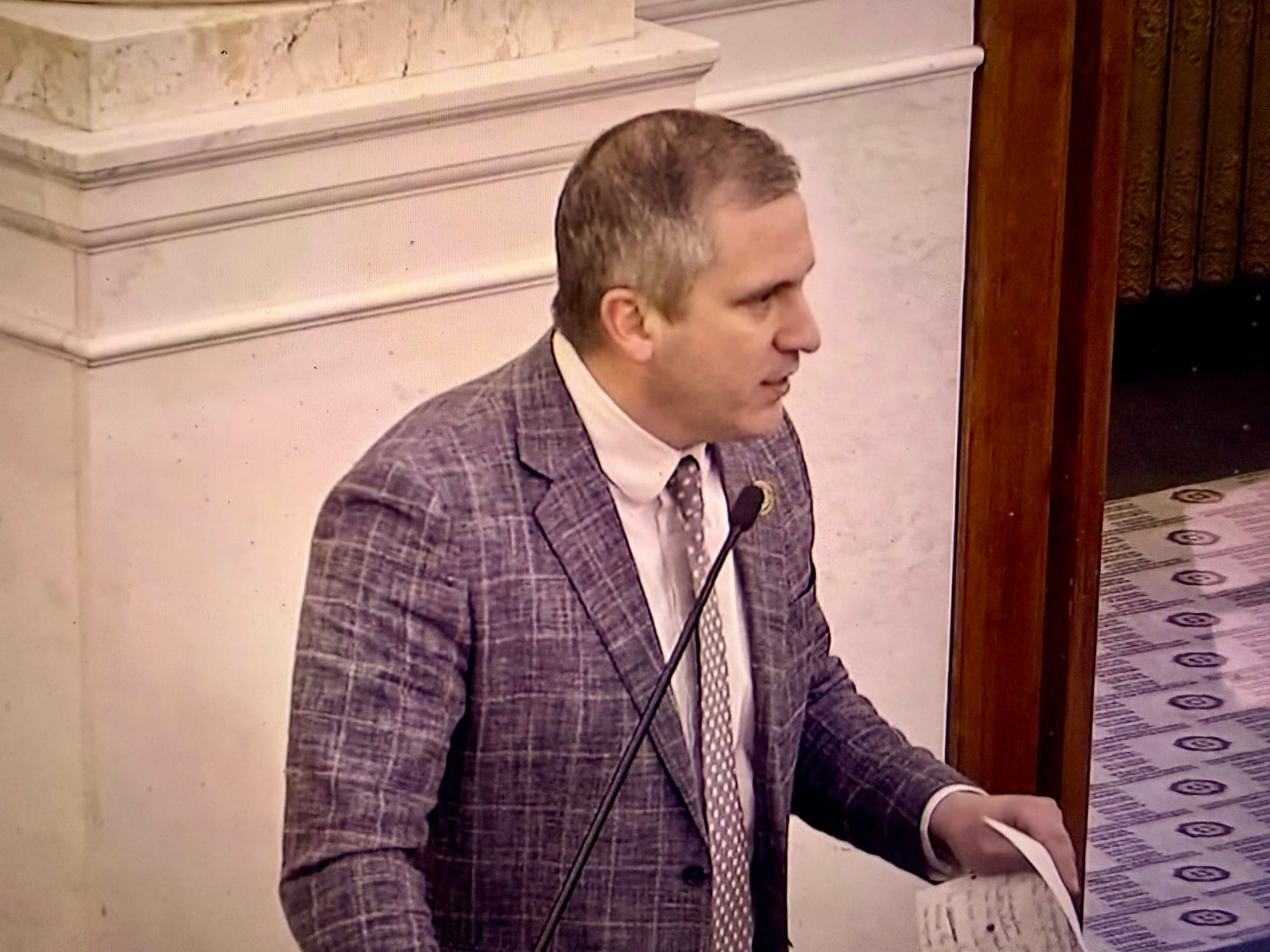 Ryan Budmayr see the potential for data centers to complement the existing economic fabric of South Dakota.
“There’s a bit of a sentiment in the Legislature that wants to preserve the South Dakota way of life, and I completely respect that. But I think the way we can do that is to continue to allow communities and our state to grow,” Budmayr said.
Conversely, figures like Sen. Howard stress the implications for local communities, highlighting environmental concerns and the potential diminishment of quality of life.
- Senate Bill 239: Modify provisions relating to the reinvestment payment program – Failed
- House Bill 1005: Sales tax exemption for data center goods and services – Deferred
- Senate Bill 135: Protecting residents from increased utility costs – Passed Senate
While the debate wages on, it’s clear South Dakota is standing at a crossroads. The state confronts an opportunity to redefine its economic landscape while safeguarding the interests and quality of life for its residents.
Join us as a partner in telling stories that are important to all South Dakotans with a tax-deductible donation. Visit South Dakota News Watch.
Contact politics and statehouse reporter Alexander Rifaat at 605-736-4396.