
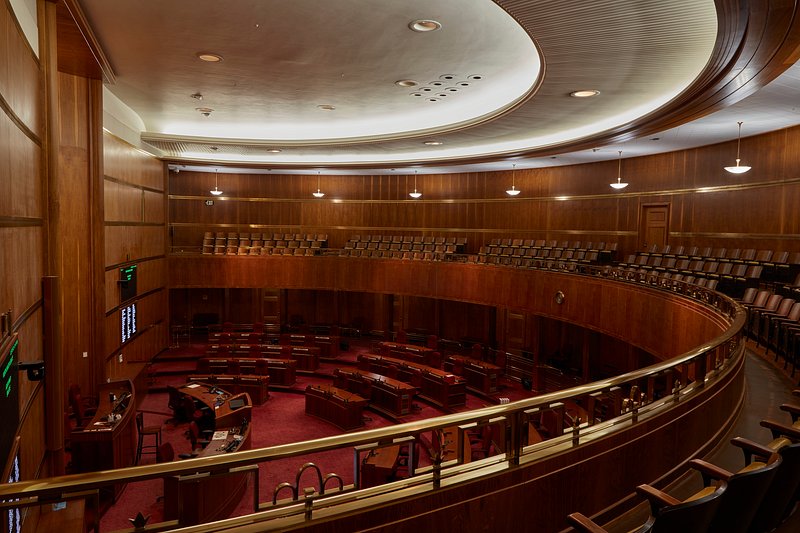
In a pivotal decision that underscores the complexities of balancing economic interests and state-led initiatives in South Dakota, the state’s House of Representatives has rejected House Bill 1230. This bill was designed to allow employers the option to opt out of the fee supporting the governor-controlled “Future Fund.” Known as the Employer’s Investment in South Dakota’s Future Fee, this quarterly payment is levied on taxable employee wages and has been at the center of a heated debate.
House Bill 1230, which failed on the House floor with a vote of 31 in favor and 36 opposed, proposed to make the fee optional. The Future Fund plays a crucial role in financing educational and workforce development programs such as the Build Dakota Scholarship and South Dakota Works. These initiatives are vital for the state’s youth and the broader community, fostering skills and employment opportunities in key industries across South Dakota.
The state of South Dakota, known for its vast agricultural landscapes and deep-rooted community values, relies heavily on such programs to drive economic growth and provide skilled labor to its burgeoning sectors. The decision to reject the bill reflects a commitment to maintaining a structured support system for these initiatives, despite ongoing controversies.
- The bill aimed to give employers more choice in financial participation.
- Opponents argued it could jeopardize funding for critical state initiatives.
- The Future Fund has faced scrutiny for alleged abuses in past administrations, such as aiding the Pete Lien and Sons Gun Range when legislative support was denied.
The Future Fund, controlled by the governor, has been a topic of both praise and controversy. On one hand, it has successfully spearheaded projects that promise to elevate educational and professional prospects for South Dakotans. On the other, it has been critiqued for potential misuse, raising questions about transparency and governance.
The Build Dakota Scholarship is one such beneficiary of the Future Fund. It offers full-ride scholarships to students entering high-need workforce sectors, which is essential as the state aims to retain its youth and address local industry demands. Similarly, South Dakota Works provides employment assistance, helping the state’s labor force align with market needs.
Proponents of House Bill 1230 argued that making the fee optional would empower businesses, allowing them more freedom to allocate financial resources as they see fit. However, critics feared that reduced contributions from businesses could derail the objectives of the Future Fund, potentially curtaining essential state programs that hinge on this funding.
South Dakota, with its rich history and commitment to community-led growth, values initiatives that ensure economic stability and development. The state’s decision reflects a careful consideration of the potential long-term impact on its residents, especially its younger demographic.
Historically, the Future Fund has navigated a tumultuous path. Criticisms have emerged over its allocation processes, notably when it provided financial backing to the Pete Lien and Sons Gun Range, following a denial of legislative funds. This incident has fueled debates on governance and the prudent use of state resources.
South Dakota House of Representatives
The business community remains divided. Some see House Bill 1230 as an opportunity for financial autonomy, while others, like Jim Harrington, an economist specializing in state economics, noted, “The short-term relief for businesses could mean long-term challenges for workforce development in South Dakota.”
South Dakota, often celebrated for its strong ties to agriculture and commitment to preserving its natural and cultural heritage, has a population deeply invested in the development and preservation of local resources and opportunities. The decision to kill the bill is a testament to the importance of maintaining a robust support system for educational and employment initiatives that promise to secure the future of South Dakota.
The Future Fund’s continued operation, without the optional fee scheme proposed by House Bill 1230, signals the state’s resolve to uphold these values and ensure that the residents of South Dakota, particularly the youth, have access to opportunities that enhance their skills and improve their livelihoods.