
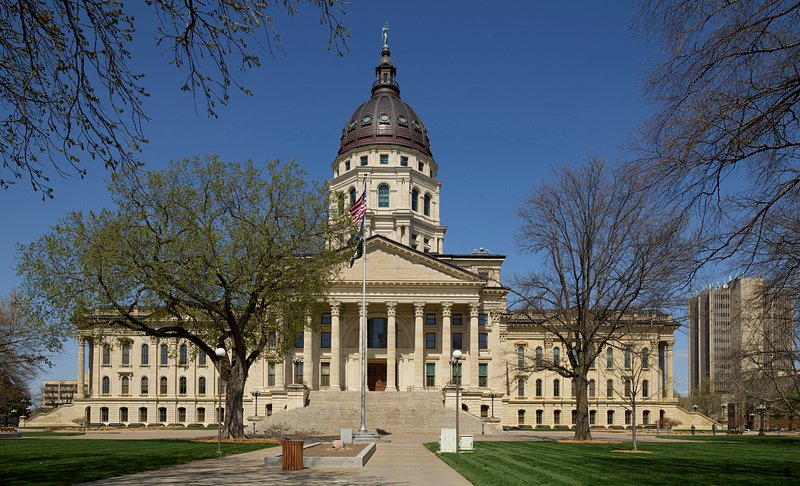
South Dakota stands at the forefront of a legislative showdown as two local lawmakers introduce a groundbreaking bill intended to criminalize abortion statewide. This far-reaching proposal, introduced by State Representative Tony Randolph and State Senator John Carley, poses significant implications both legally and socially within the state. Known as House Bill 1212, the legislation is being described as an ‘equal protection’ measure, applying existing homicide and wrongful death laws to unborn children in an attempt to afford them the same legal status as individuals already born under South Dakota law.
The introduction of House Bill 1212 marks a pivotal moment in South Dakota’s legislative history, as it is the first bill of its kind to be put forward in the state. Lawmakers such as Randolph and Carley argue that the bill addresses the continuation of abortions even after the closure of traditional abortion clinics in the state, citing the rise of telehealth services and self-managed abortions as methods persisting under the radar of existing legal frameworks.
Proponents of the bill assert that its potential passage would establish a benchmark for equal protection across the United States. State Rep. Tony Randolph was quoted stating, “It’s crucial that we recognize the legal and moral implications of abortion and take steps to protect the unborn as we would any other individual.” His sentiments echo the strong, pro-life undercurrent that has long been present in South Dakota’s socio-political discourse.
Opposition to House Bill 1212, however, is vocal and significant. Critics of the proposal point to the potential disproportionate impact it could have on low-income and marginalized communities, who may face amplified socio-economic and health challenges if forced to carry pregnancies to term. Concerns are also raised about how the bill might deter individuals from seeking necessary medical care in cases of pregnancy-related emergencies, such as miscarriages or ectopic pregnancies. Opponents argue that these scenarios could become mired in legal confusion, as the line between medical necessity and the legal stipulations of the bill might be blurred.
Despite these concerns, the instigators of the bill remain resolute. State Sen. John Carley emphasized, “We must create legislation that reflects the moral values and priorities of the people of South Dakota. House Bill 1212 aims to do exactly that by ensuring that our laws provide comprehensive protection to the unborn.” The bill attempts to remove existing statutory exemptions, which currently shield women from criminal prosecution for obtaining abortions. Instead, it seeks to extend the serious criminal penalties associated with homicide cases to those undergoing abortions.
The proposed bill is scheduled to be reviewed by the House Health and Human Services Committee, a key step in the legislative process that will determine its future. Advocates on both sides of the issue anticipate spirited debates and discussions that delve deeply into the legal nuances and ethical quandaries that this legislation presents.
For South Dakota, this legislative move is not merely a legal matter, but a reflection of its identity and values. The state, known for its picturesque landscapes spanning the Great Plains and Black Hills, is also marked by its fiercely independent spirit and deeply rooted sense of community. These elements play a pivotal role not only in its political decisions but also in shaping the discourse around sensitive issues like abortion.
Supporters of House Bill 1212 praise the efforts of Randolph and Carley, seeing the bill as a manifestation of South Dakota’s commitment to principles they hold dear. At the same time, opponents worry about the broader implications for women’s rights and healthcare within the state, considering the repercussions such a bill could have on access and equality.
The outcome of House Bill 1212 remains undetermined. As South Dakota watches with bated breath, the wider nation is also taking note, making this legislation not just a state issue but a point of national interest. What unfolds within the halls of the South Dakota Legislature will undoubtedly resonate well beyond state lines, with potential repercussions for ongoing discussions about reproductive rights and equality across the country.
For those expressing concern or support for the bill, direct feedback and inquiries can be directed to South Dakota’s legislative representatives through feedback@sdlegislature.gov. As the debate continues, the importance of civic engagement and communication with lawmakers is crucial at this pivotal juncture.