
Repairs to the historic South Dakota Capitol in Pierre have drawn considerable attention as they spearhead a comprehensive effort to restore the state’s landmark to its former glory. With the legislative session set for January 2026, meticulous work is underway to remedy water-damaged and cracking plaster within the Capitol building, ensuring it is ready for lawmakers. This initiative represents the first phase of a substantial three-phase restoration plan—a pivotal project for South Dakota, both in cultural preservation and practical functionality.
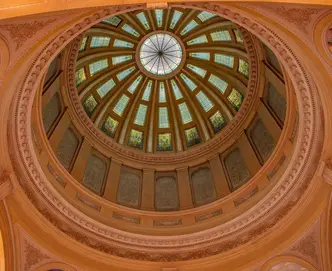
South Dakota Capitol
The urgent need to address the degradation was highlighted by Darin Seeley, Commissioner of the Bureau of Human Resources and Administration, during a presentation to the Joint Appropriations Committee. According to Seeley, “The plaster repairs represent the initial phase of a broader restoration project designed not only to enhance the building’s aesthetic value but to align its infrastructure with modern standards.”
The plaster restoration effort, which began on December 2, 2025, has been made possible by a $3 million funding pool approved by state legislators. This financial boost underscores South Dakota’s commitment to preserving its storied Capitol, a structure completed in 1910 that hasn’t seen a full restoration in about four decades.
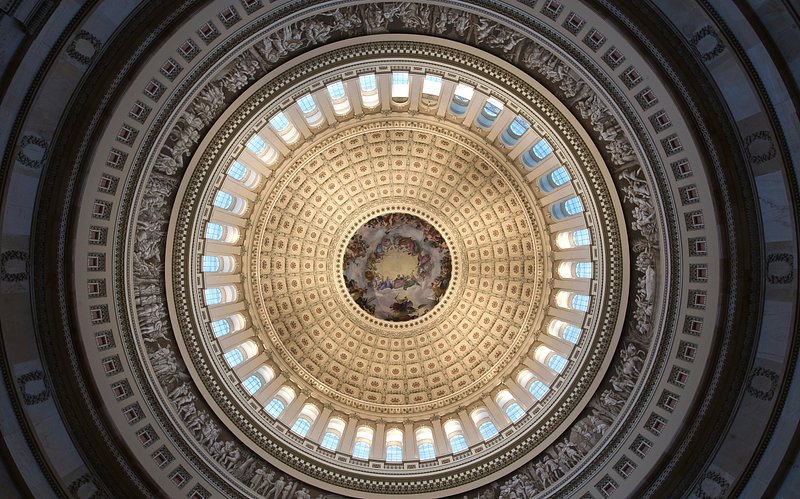
Once the current plaster restoration in the halls and legislative galleries concludes, the project will transition to the second phase. The Rotunda, an iconic feature of the Capitol, is poised for similar attention post the 2026 legislative session’s conclusion in March, with completion targeted for November. The work exemplifies the state’s dedication to maintaining a site that not only functions as the heart of its government but also serves as a symbol of South Dakota’s resilience and heritage.
The third phase of the restoration venture transcends immediate repairs. Seeley’s team plans to allocate approximately $780,000 to enlist a consultant. The aim is to conduct a comprehensive needs analysis, identifying issues across the entire Capitol complex. This forward-thinking approach ensures that the building’s future refurbishments are prioritized and effectively executed, paving the way for the Capitol to remain both functional and majestic.
Enhancements to the Capitol’s communications infrastructure form an essential component of this multi-phase plan. “Updating the Capitol to modern standards includes improvements in electrical codes, plumbing, and the usability of the space,” Seeley elaborated, reinforcing South Dakota’s strategic approach to long-term infrastructure planning.
The extensive restoration project is not just about addressing immediate needs. It represents a vision for safeguarding South Dakota’s legacy while accommodating the contemporary needs of its citizens and legislators. A comprehensive restoration, with cost estimates ranging from $150 million to $200 million, signifies a major investment by South Dakota, aiming to blend historical preservation with future-ready infrastructure.
In this grand scheme, South Dakota’s commitment is evident. The restoration project aligns with the interests of its residents, who value the state’s rich history and appreciate a functioning seat of government that is equipped to serve future generations. The strategic planning involved in phases two and three not only reflects current necessities but also highlights an ambition to foresee and adapt to evolving requirements.
The restoration journey is demonstrative of a broader trend in South Dakota of embracing and integrating history with growth. As lawmakers prepare to return to the refurbished Capitol in 2026, the building stands as a testament to the state’s enduring spirit and unwavering dedication to preserving its historical treasures while looking forward to a sustainable future.
For further details or inquiries about the restoration, you can contact the Bureau of Human Resources and Administration via info@sdresearchlight.com.