
South Dakota’s educational landscape is undergoing a dramatic transformation as the number of home-schooled students has surged by a remarkable 143% over the past eight years. According to data compiled by John Hopkins University, the state’s home-schooled population ballooned from 4,333 in the 2015-16 school year to an impressive 10,536 by 2023-24. This significant increase not only places South Dakota at the forefront of the homeschooling trend but also brings about economic and educational challenges that reverberate through the public school system.
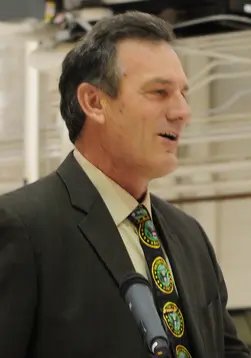
Larry Rhoden
In a move that underscores the growing interest in alternative education, Governor Larry Rhoden announced that South Dakota will participate in a federal tax program designed to support students pursuing alternative forms of education. This decision is likely to further propel the number of home-schooled students in the state, offering financial incentives that make homeschooling more accessible to families.
The shift towards homeschooling reflects changing attitudes among South Dakota’s families, who are seeking more personalized educational experiences for their children. Many parents are motivated by a desire for curriculum control, flexible scheduling, and the ability to incorporate religious or moral instruction. Additionally, the COVID-19 pandemic played a significant role in accelerating this trend, as many families turned to homeschooling out of necessity during school closures and then continued to do so even after public schools reopened.
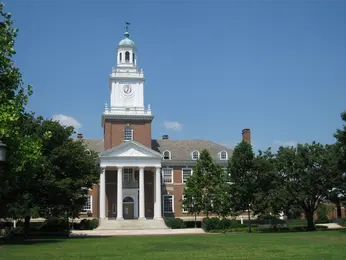
Johns Hopkins University
While the rise in homeschooling offers benefits to many parents and students, it presents significant challenges to traditional public schools. In South Dakota, public schools receive approximately $7,000 per student from state funding. As a result of the increasing homeschooling numbers, school districts have experienced a collective funding loss of more than $60 million. This reduction in funds has forced many districts to make difficult decisions, including staff layoffs, program cuts, and the consolidation of classroom resources.
Rapid City School District serves as a microcosm of the broader statewide impact, now deploying mailers to families encouraging the return of students to public school. The district is attempting to mitigate the financial shortfall by re-engaging with parents and highlighting the benefits and resources available within the public education system. This effort underscores the district’s commitment to providing a comprehensive education while managing the financial challenges posed by the shifting educational landscape.

Rapid City School District
On a broader scale, South Dakota is not alone in experiencing a rise in homeschooling. Tennessee and North Dakota have also reported significant increases in home-schooled students, with respective growth rates of 135% and 114% over the same period. This national trend indicates a larger shift in educational preferences toward more individualized learning paths, putting pressure on public education systems across the United States to adapt.
As South Dakota embraces this new educational paradigm, stakeholders continue to debate the long-term implications for public education, community culture, and socio-economic dynamics. Advocates for homeschooling argue that it provides an unmatched ability to tailor education to the specific needs and talents of each child. Critics, however, caution about the potential for social isolation and the challenge of ensuring equitable quality in education across diverse home environments.
With Governor Rhoden’s announcement of new financial supports for homeschoolers, the future of education in South Dakota seems poised for continued transformation. As more families explore and adopt homeschooling, the state is likely to see further developments in how education is viewed, funded, and implemented. The educational landscape in South Dakota, rich with a pioneering spirit, continues to evolve in response to the needs and preferences of its people.