
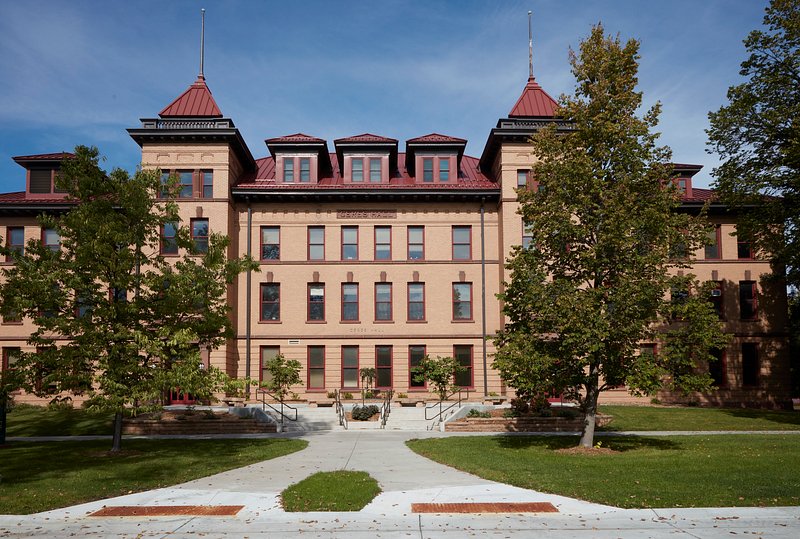
At the heart of South Dakota, in the vibrant town of Brookings, South Dakota State University (SDSU) faced an unexpected emergency situation over the weekend. This incident, occurring on Saturday, November 15, tested the university’s emergency response protocols and brought to light the importance of communication in moments of crisis.
Brayden Byers
At 11:50 a.m., an urgent campus-wide alert interrupted the otherwise normal weekend activities. Reports of shots fired in a tailgate area prompted university officials to advise students, faculty, and staff to shelter in place as a precautionary measure. The initial announcement, however, lacked further details, leaving room for speculation and concern amongst the university community.
South Dakota State University, renowned for its agricultural research and deep-rooted ties to community building in South Dakota, reacted swiftly. By 11:59 a.m., a follow-up alert calmed anxieties, stating unequivocally that “there was no shooter on campus.” The clarification revealed that the initial report was related to an “incident of self-harm that occurred off campus” and authorized the community to “resume normal business activity.”

South Dakota State University
The swift resolution to potential threats speaks volumes about the efficacy of SDSU’s emergency alert systems. South Dakota, known for its tight-knit communities and a shared commitment to safety, had its state institution exemplifying best practices by addressing concerns with prompt and clear communication.
Now more than ever, the matter of safety and efficient crisis management is at the forefront of university operations across the nation. The vigilance demonstrated by South Dakota State University serves as a reassuring reminder of the value placed on safety and security, particularly in educational institutions charged with the welfare of thousands of students and staff members.
Brayden Byers, involved in documenting and reporting the development, emphasized the university’s adherence to procedural integrity and commitment to transparency. “The prompt alert and subsequent reassurance to our community members reflect our dedication to maintaining a safe and secure campus environment,” Byers outlined.
The incident has aroused conversations surrounding mental health awareness. The clarification of an ‘incident of self-harm’ points to an ongoing need for psychological support structures within educational settings. South Dakota, characterized by its evolving educational infrastructure, must balance between traditional education and modern wellness needs.
Amidst the vast plains and rich agricultural precincts, South Dakota’s commitment to nurturing both body and mind finds resonance in the proactive stances taken by SDSU. To further enhance the well-being of its inhabitants, continued investments in mental health initiatives and emergency preparedness are indispensable.
As updates unfold, Collegian Media promises to keep the concerned and curious informed. This vigilant approach does not only preserve safety but ensures the university’s role as a central pillar of integrity and excellence amidst South Dakota’s vast landscape.